Key Takeaways
- Experience Kyoto's rich culture without spending money.
- Visit famous temples and gardens that are free to enter.
- Enjoy scenic parks and historical sites at no cost.
- Discover local markets and neighborhoods for authentic experiences.
Kyoto, the ancient capital of Japan, is a city rich in history, culture, and natural beauty. While many travelers may associate a visit to Kyoto with expensive temples, fancy dining, and costly attractions, there are numerous free experiences that can provide a deep connection to the city’s heritage. This guide explores the top free things to do in Kyoto, ensuring that you can immerse yourself in its charm without breaking the bank.
From stunning gardens to historic temples, Kyoto offers activities that cater to all types of travelers. In this guide, you will discover how to navigate the city’s cultural landmarks, outdoor spaces, and local neighborhoods without spending a dime. Whether you’re a solo traveler, a family on a budget, or a group of friends looking for adventure, Kyoto has something to offer everyone.
As you plan your itinerary, keep in mind that many of Kyoto’s most beautiful sites are accessible at no cost. You can enjoy the serenity of nature, explore ancient streets, and soak in the history of this remarkable city. Let’s delve into the various free attractions that make Kyoto a must-visit destination.
Exploring Kyoto’s Temples and Shrines
Kyoto is renowned for its abundance of temples and shrines, many of which are free to enter. Visiting these sacred sites allows you to appreciate Japan’s spiritual heritage and stunning architecture without any admission fees.
One of the most famous free sites is the Fushimi Inari Taisha, known for its thousands of vermillion torii gates that wind up the sacred Mount Inari. This shrine is dedicated to Inari, the Shinto god of rice, and offers a picturesque hike through the gates. The trek can take a couple of hours, and you can enjoy the tranquility of the forested paths along the way.
Another must-visit is Kiyomizu-dera Temple, famous for its wooden stage that juts out over the hillside. While the main hall has an entrance fee, you can explore the beautiful surrounding gardens and enjoy panoramic views of the city for free. The area is particularly charming during the cherry blossom season and autumn foliage, providing a stunning backdrop for photography.
Key Free Temples and Shrines
- Fushimi Inari Taisha: Iconic torii gates and hiking trails.
- Kiyomizu-dera: Surrounding gardens and scenic views.
- Heian Shrine: Beautiful landscape gardens, especially in spring.
- Ginkaku-ji: Free entry to the gardens after 5 PM.
- Tō-ji Temple: Explore the grounds on market days.
Strolling Through Kyoto’s Parks and Gardens
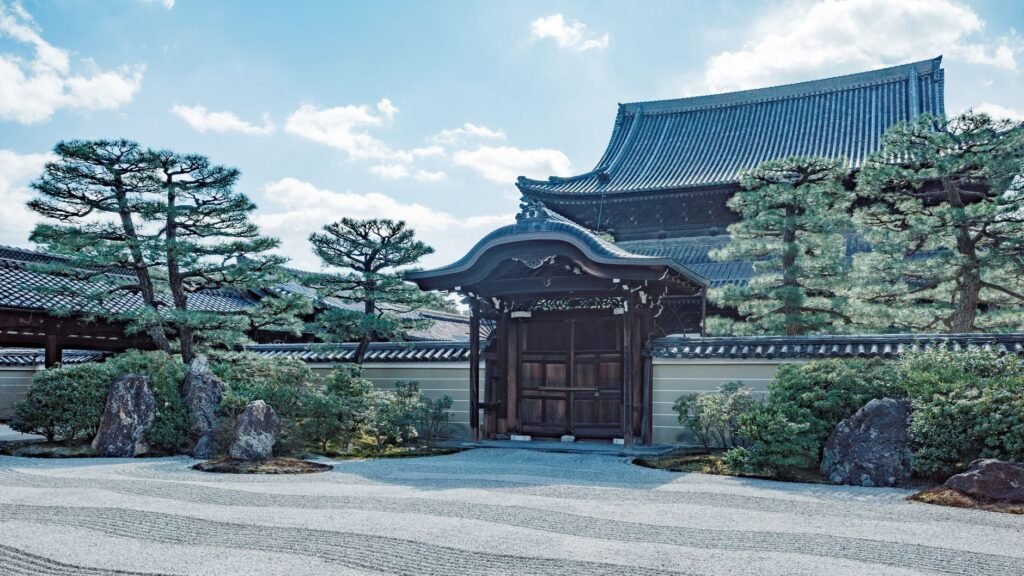
Kyoto’s parks and gardens offer serene environments perfect for relaxation and contemplation. Many of these green spaces are free to enter, making them ideal for a leisurely afternoon.
The Maruyama Park is a favorite among locals, especially during the cherry blossom season. With its wide-open spaces, ponds, and traditional teahouse, it’s an excellent place for a picnic or to simply enjoy nature. The park is often filled with families and friends who gather to celebrate the beauty of the blossoms in spring.
Another beautiful park is Imperial Palace East Gardens, which are free to the public. The well-maintained gardens, historical ruins, and walking paths allow visitors to experience Japan’s royal past amidst the backdrop of beautiful landscaping. It’s a relaxing spot to unwind and escape the city’s hustle and bustle.
Popular Parks and Gardens to Visit
- Maruyama Park: Cherry blossoms and traditional teahouse.
- Imperial Palace East Gardens: Historical significance and beautiful landscape.
- Kyoto Botanical Gardens: Free entry on certain days.
- Ryoan-ji Rock Garden: A UNESCO World Heritage site with free access.
- Shugakuin Imperial Villa: Free access to the gardens, but requires a reservation.
Experiencing Local Culture in Neighborhoods
Kyoto’s neighborhoods are filled with traditional wooden machiya houses, shops, and local eateries. Exploring these areas provides a glimpse into the local lifestyle, and wandering is completely free.
Gion District, known as the geisha district, is a great place to walk and soak in the atmosphere. As you stroll through the narrow streets lined with traditional tea houses, you may catch a glimpse of a geisha or maiko. The sight of these women in their exquisite kimonos is a memorable experience, and the ambiance of Gion adds to the charm of the city.
The Arashiyama Bamboo Grove is another free experience that immerses you in nature. Walking through towering bamboo stalks creates an enchanting atmosphere, and it’s a popular spot for photographers. The nearby Tenryu-ji Temple has an entrance fee, but you can enjoy the surrounding gardens for free.
Neighborhoods to Explore
- Gion District: Traditional architecture and potential geisha sightings.
- Higashiyama District: Charming streets and historic sites.
- Arashiyama: Scenic bamboo grove and riverside paths.
- Pontocho Alley: Vibrant nightlife and dining experiences.
- Sanjo-dori: Shopping streets with local crafts and goods.
Participating in Local Festivals
Kyoto is famous for its vibrant festivals, many of which are free to attend. These events provide an excellent opportunity to experience Japanese culture firsthand.
The Gion Matsuri, held in July, is one of the most famous festivals in Japan. It features parades of beautifully decorated floats, traditional clothing, and local food stalls. Attending the festival is free, and it’s a fantastic way to immerse yourself in Kyoto’s cultural heritage.
Another notable festival is the Aoi Matsuri, celebrated in May. Participants dress in ancient Heian period clothing, and the procession travels from the Imperial Palace to the Kamo Shrines. It’s a visually stunning event that attracts many visitors and provides a unique glimpse into Kyoto’s history.
Upcoming Festivals to Check Out
- Gion Matsuri: A large festival with parades in July.
- Aoi Matsuri: A historical procession in May.
- Jidai Matsuri: A festival celebrating Kyoto’s history in October.
- Hanatoro: Lantern festival in the Arashiyama area in March.
- Kyoto’s New Year’s Celebrations: Traditional events and activities.
Enjoying Scenic Views and Walks
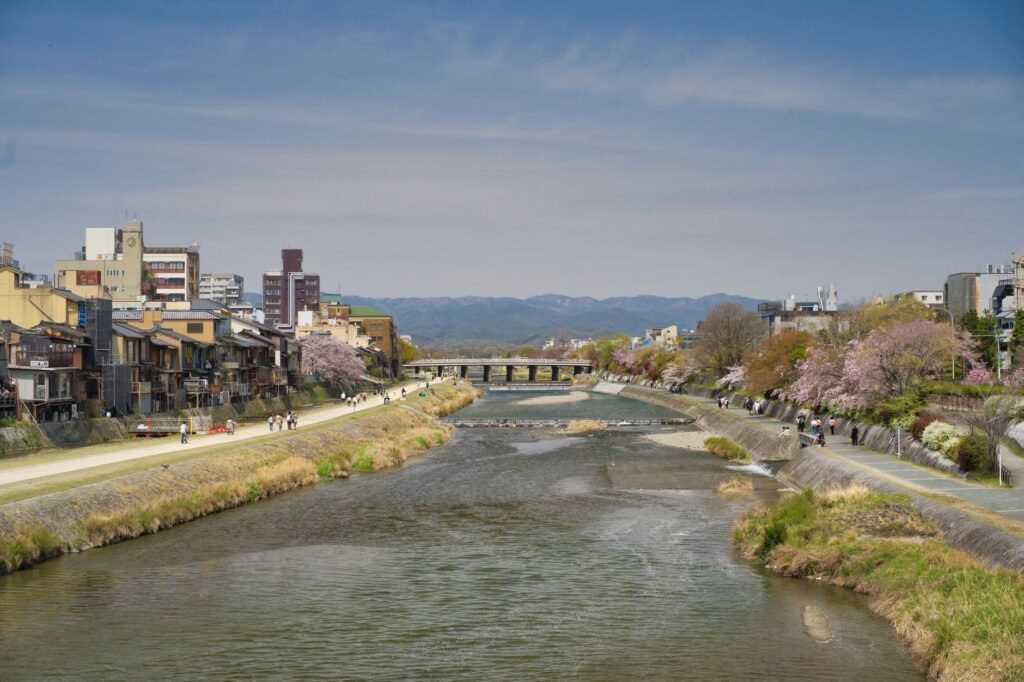
Kyoto is surrounded by mountains and rivers, offering stunning vistas that are free to enjoy. One of the most popular spots is the Philosopher’s Path, a picturesque canal-side walkway lined with cherry trees. The path stretches for about two kilometers, making it an ideal location for a leisurely stroll or a bike ride. It’s particularly beautiful during the cherry blossom season when the trees are in full bloom.
The Kyoto Tower offers a panoramic view of the city, but you can find free viewpoints too. The area around Kiyomizu-dera provides beautiful vistas of the city and is a great spot for photography, especially at sunrise or sunset.
Additionally, the hiking trails in the Kurama and Kibune area are free and provide access to breathtaking views of the surrounding countryside. The hike between these two villages is about an hour and offers a mix of natural beauty and cultural sites along the way.
Best Scenic Walks and Viewpoints
- Philosopher’s Path: Scenic canal-side walk with cherry blossoms.
- Kiyomizu-dera Lookout: Stunning city views from the temple area.
- Kurama to Kibune Trail: Beautiful hiking trail with scenic views.
- Arashiyama Riverbank: Peaceful walks along the river.
- Fushimi Inari Mountain Trails: Hiking trails with panoramic views of Kyoto.

Engaging with Art and History
Kyoto is home to many art galleries and historical sites that often have free entry. Engaging with local art and history can provide deeper insights into the culture.
The Kyoto National Museum offers free entry on certain days, allowing visitors to explore its extensive collection of Japanese art and artifacts. The museum often hosts special exhibitions, so it’s worth checking their schedule during your visit.
The Raku Museum, dedicated to the history of Raku pottery, provides free admission and insight into this unique art form. The museum often features demonstrations and workshops, giving visitors a chance to learn about the craft.
Art and History Museums to Visit
- Kyoto National Museum: Free entry on select days.
- Raku Museum: Insight into Raku pottery with free admission.
- Kyoto City KYOCERA Museum of Art: Free exhibitions and collections.
- Heian Jingu Museum: Free access to exhibitions related to the shrine.
- Otagi Nenbutsu-ji: A temple with unique sculptures and free entry.
Uncovering Kyoto’s Historic Markets
Nishiki Market: A Culinary Adventure
Nishiki Market is often referred to as ‘Kyoto’s Kitchen,’ and for good reason. This vibrant market spans five blocks and is home to over 100 shops and stalls offering a dazzling array of local delicacies. Visitors can sample everything from fresh seafood and pickled vegetables to traditional sweets and Kyoto’s famous matcha. The market also provides a great opportunity to observe local culinary traditions and the art of food preparation.
As you wander through the narrow lanes, be sure to look out for the following:
- Yudofu (tofu hot pot) stalls
- Tsukemono (pickled vegetables) shops
- Freshly made wagashi (traditional sweets)
- Craftsmanship of local artisans
Sampling the street food is a must; try some grilled mochi or a sweet red bean bun. The lively atmosphere, combined with the rich history of the market, makes it a must-visit for any traveler in Kyoto.
Other Notable Markets
While Nishiki Market is the most famous, Kyoto is home to several other markets worth exploring. Each offers a unique glimpse into local life and commerce. Here are a few notable mentions:
- To-ji Temple Flea Market: Held on the 21st of each month, this market features antiques, crafts, and local food stalls.
- Kyoto Handicraft Center: A great place to find handmade crafts and souvenirs directly from local artisans.
- Demachiyanagi Market: A smaller, local market where you can experience everyday shopping with fresh produce and local specialties.
Visiting these markets can provide a deeper understanding of Kyoto’s food culture and local commerce.
Exploring Kyoto’s Hidden Temples
Smaller Temples Off the Beaten Path
While Kyoto is famous for its iconic temples, many smaller, lesser-known temples offer tranquility and beauty without the crowds. Exploring these hidden gems can provide a more intimate experience of Kyoto’s spiritual heritage. One such temple is Honen-in, located in a serene forested area. The temple features beautiful gardens and a calming atmosphere, ideal for contemplation and relaxation.
Another notable temple is Shoren-in, which boasts stunning seasonal gardens and impressive architecture. The peaceful ambiance allows visitors to escape the bustling city and immerse themselves in the serene beauty of nature.
Spiritual Practices and Rituals
At these smaller temples, you can often observe traditional practices such as zazen meditation or participate in prayer rituals. Many temples offer opportunities for visitors to learn about Buddhist teachings and practices. Here are some activities you might encounter:
- Daily meditation sessions
- Guided temple tours
- Participation in seasonal ceremonies
Engaging in these activities can deepen your understanding of Japanese culture and spirituality, providing an enriching experience during your visit.
Kyoto’s Nature Trails and Hidden Hikes
Mount Hiei: A Natural Retreat
For those looking to escape the city’s hustle and bustle, a hike up Mount Hiei offers breathtaking views and a chance to connect with nature. The mountain is home to several temples, including the famous Enryaku-ji, a UNESCO World Heritage site. The hike can take about two to three hours, depending on the route you choose, and features well-maintained trails through lush forests and scenic landscapes.
Along the way, you can enjoy the diverse flora and fauna, making it a great spot for nature enthusiasts. Be sure to bring along water and snacks, as there are limited facilities on the trail.
Other Scenic Trails
If Mount Hiei feels too challenging, there are numerous other trails in and around Kyoto that cater to different fitness levels. Here are a few recommendations:
- Philosopher’s Path: A leisurely walk along a cherry-tree-lined canal, perfect for a peaceful stroll.
- Kurama to Kibune Trail: A scenic hike between two charming villages, featuring hot springs and beautiful rivers.
- Arashiyama Bamboo Grove: A short but stunning walk through towering bamboo stalks that create a magical atmosphere.
Exploring these trails not only allows you to appreciate the natural beauty of Kyoto but also provides a refreshing break from the urban environment.
Frequently Asked Questions
What are the best free things to do in Kyoto?
The best free things to do in Kyoto include visiting Fushimi Inari Taisha, exploring parks like Maruyama Park, wandering through neighborhoods like Gion, and attending festivals such as Gion Matsuri.
Are there any free walking tours in Kyoto?
While there are no official free walking tours, many travelers offer informal tours, and you can find self-guided walking tour maps at local tourist information centers.
Can I visit temples for free in Kyoto?
Yes, many temples in Kyoto have free access to their grounds and gardens, but some may charge for entrance to specific buildings or exhibitions.
When is the best time to visit Kyoto for free activities?
The best times to visit for free activities are during spring for cherry blossoms and autumn for fall foliage, both of which enhance the beauty of parks and temples.
The Bottom Line
Kyoto offers a wealth of free activities that allow travelers to experience the city’s rich culture, stunning landscapes, and historical significance without spending money. From temples and parks to local neighborhoods and festivals, there are countless opportunities to explore and enjoy. Planning your visit to include these free experiences not only enhances your trip but also provides a deeper understanding of this remarkable city.