Key Takeaways
- Eastern Europe offers diverse cultural experiences.
- Historical sites are abundant and well-preserved.
- Local cuisine provides a unique flavor profile.
- Affordable travel options make exploration accessible.
Eastern Europe is a region rich in history, culture, and stunning landscapes, yet it often remains overshadowed by its Western counterparts. From the cobblestone streets of Prague to the vibrant nightlife of Budapest, this region offers a plethora of experiences that cater to all types of travelers. In this guide, we’ll cover the top things to do in Eastern Europe, providing practical tips and insights to help you make the most of your journey.
Whether you are a history buff, a foodie, or an adventurer, Eastern Europe has something for everyone. With its unique blend of ancient traditions and modern influences, exploring this part of the world can be both enlightening and exhilarating. Let’s embark on a journey to discover the must-see destinations and activities that Eastern Europe has to offer.
As you plan your trip, keep in mind that each country has its own unique charm and attractions. This guide will help you navigate through some of the best experiences across several Eastern European countries, ensuring that you have a well-rounded and enriching travel experience.
1. Explore the Historic Charm of Prague, Czech Republic
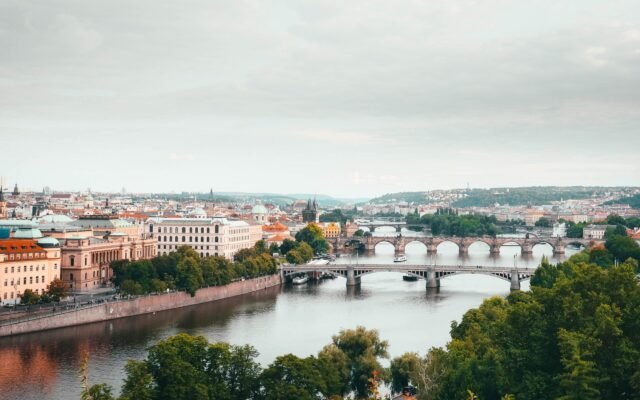
Prague, often referred to as the “City of a Hundred Spires,” is a historical gem that boasts stunning architecture, rich history, and vibrant culture. A walk through the Old Town Square, with its beautifully preserved Gothic and Baroque buildings, sets the tone for your visit. Key highlights include the Astronomical Clock, which dates back to 1410, and the iconic Charles Bridge, adorned with statues of saints.
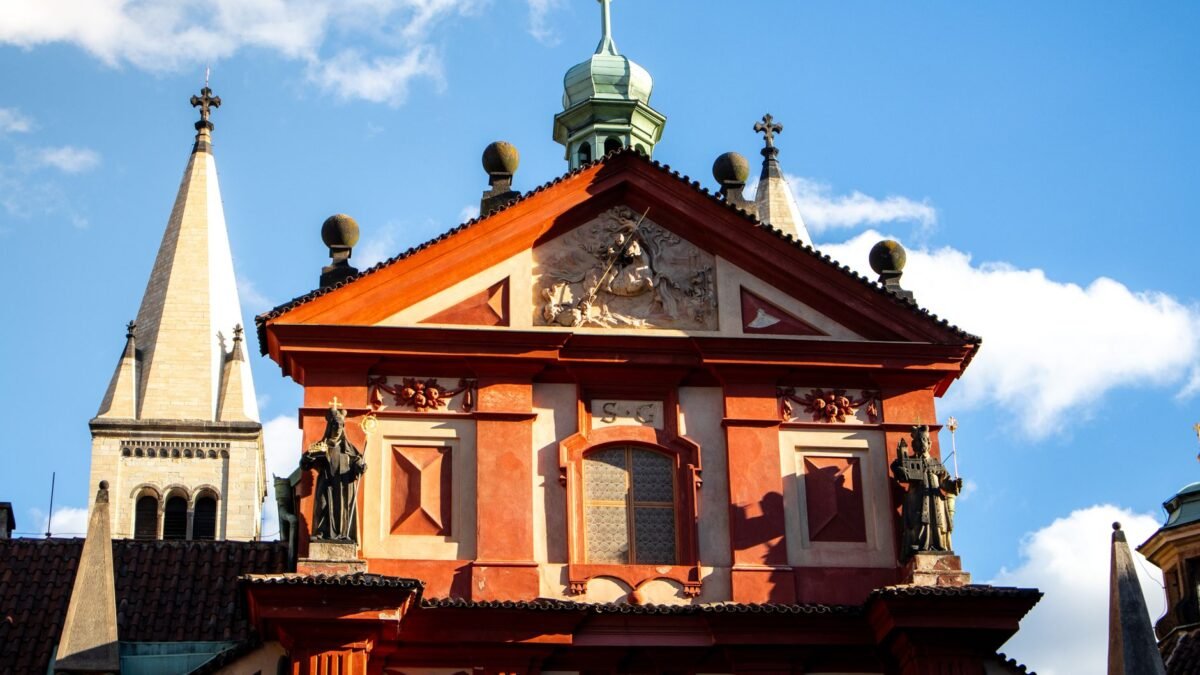
While in Prague, take time to visit the Prague Castle, the largest ancient castle in the world. The castle complex includes the exquisite St. Vitus Cathedral and the charming Golden Lane, where you can explore tiny colorful houses that once housed craftsmen and alchemists. To enhance your experience, consider joining a guided tour that delves into the castle’s fascinating history.
For a taste of local life, venture into the city’s numerous cafes and restaurants. Sample traditional Czech dishes such as goulash, svíčková (marinated beef), and trdelník (a sweet pastry). Enjoy a leisurely stroll along the Vltava River, especially at sunset, when the city’s skyline is beautifully illuminated.
2. Experience the Vibrant Nightlife in Budapest, Hungary
Budapest is known for its lively nightlife scene, which offers something for everyone. From ruin bars housed in abandoned buildings to chic rooftop lounges, the city comes alive after dark. One of the most famous ruin bars is Szimpla Kert, an eclectic space adorned with mismatched furniture and art installations, making it a must-visit for any traveler.
For a more traditional experience, consider attending a performance at the Hungarian State Opera House. This stunning building hosts a range of performances, from operas to ballets, and offers guided tours that allow you to appreciate its architectural beauty.
If you’re looking for something unique, try a thermal bath experience. The Széchenyi Thermal Bath is one of the largest spa complexes in Europe, featuring indoor and outdoor pools. Soaking in the warm mineral-rich waters is a quintessential Budapest experience that shouldn’t be missed.
3. Discover the Architectural Wonders of Warsaw, Poland
Warsaw, Poland’s capital, is a city that has undergone significant transformation over the decades. Despite being heavily damaged during World War II, it has rebuilt itself into a vibrant metropolis. The Old Town, a UNESCO World Heritage site, is a testament to its resilience, featuring colorful buildings and the Royal Castle, which offers insights into Poland’s royal history.
For a contrast to the historic architecture, visit the Palace of Culture and Science, a Soviet-era skyscraper that offers panoramic views of the city from its observation deck. It’s also home to theaters, a cinema, and museums, making it a cultural hub.
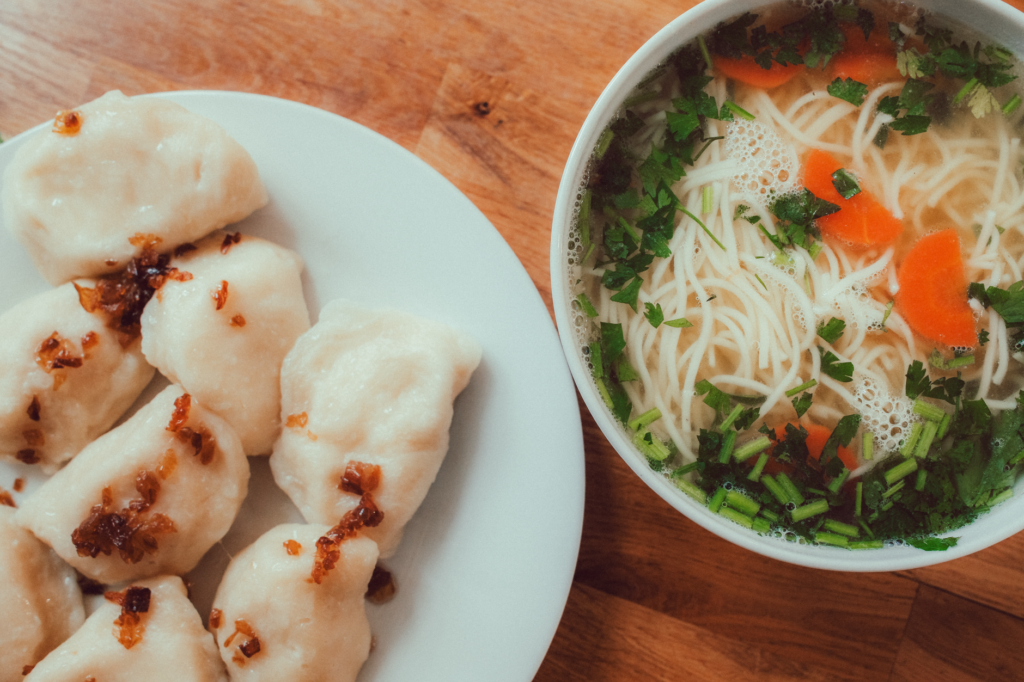
Don’t miss the opportunity to taste traditional Polish cuisine while in Warsaw. Pierogi (dumplings), bigos (hunter’s stew), and zapiekanka (Polish pizza) are just a few dishes to look out for. Visiting local markets, such as Hala Mirowska, can provide a taste of authentic flavors and local ingredients.
4. Wander the Scenic Landscapes of the Tatra Mountains, Poland
The Tatra Mountains, located on the border between Poland and Slovakia, offer stunning landscapes and outdoor adventures. Known for their jagged peaks, lush valleys, and crystal-clear lakes, this region is perfect for hiking enthusiasts. Trails vary in difficulty, catering to both novice hikers and seasoned trekkers.
One popular hiking route is the trail to Morskie Oko, a picturesque lake surrounded by towering mountains. The hike is relatively easy and takes about two hours, making it a favorite for families and casual hikers. For those seeking a challenge, consider tackling Rysy, the highest peak in Poland, which offers breathtaking views from the summit.
During the winter months, the Tatra Mountains transform into a winter wonderland, attracting skiers and snowboarders to resorts like Zakopane. This charming town is a great base for winter sports and offers a unique blend of Polish mountain culture.
5. Visit the Enigmatic City of Lviv, Ukraine
Lviv is often overlooked by travelers, yet it is one of Eastern Europe’s hidden gems. This vibrant city is known for its rich history, architectural diversity, and lively cultural scene. The historic center, a UNESCO World Heritage site, is filled with beautiful squares, churches, and cafes that reflect the city’s multicultural heritage.
One of the must-see attractions is the Lviv Opera House, which hosts a variety of performances throughout the year. Its stunning interior is worth the visit alone. Also, don’t miss the chance to explore the Lviv High Castle, which offers panoramic views of the city and its surroundings.
Food lovers will delight in Lviv’s coffee culture and culinary offerings. The city is home to numerous cafes, each with its own unique atmosphere. Sample local specialties such as borscht and varenyky (dumplings) while enjoying the vibrant ambiance of the city’s coffee houses.
6. Experience the Rich Culture of Bucharest, Romania
Bucharest, Romania’s capital, is a city that beautifully blends the old with the new. Its architecture ranges from grand 19th-century buildings to modern skyscrapers. A visit to the Palace of the Parliament, one of the largest administrative buildings in the world, is essential for understanding the city’s history and ambition.
Take a stroll through the historic Lipscani district, where you can find charming boutiques, art galleries, and restaurants. The area is known for its vibrant atmosphere, especially during the evenings when locals and tourists alike gather to enjoy the nightlife.
For a unique cultural experience, consider visiting one of Bucharest’s many museums, such as the National Museum of Art of Romania or the Museum of the Romanian Peasant. These institutions provide valuable insights into Romania’s artistic heritage and folk traditions.
7. Enjoy the Coastal Beauty of Dubrovnik, Croatia
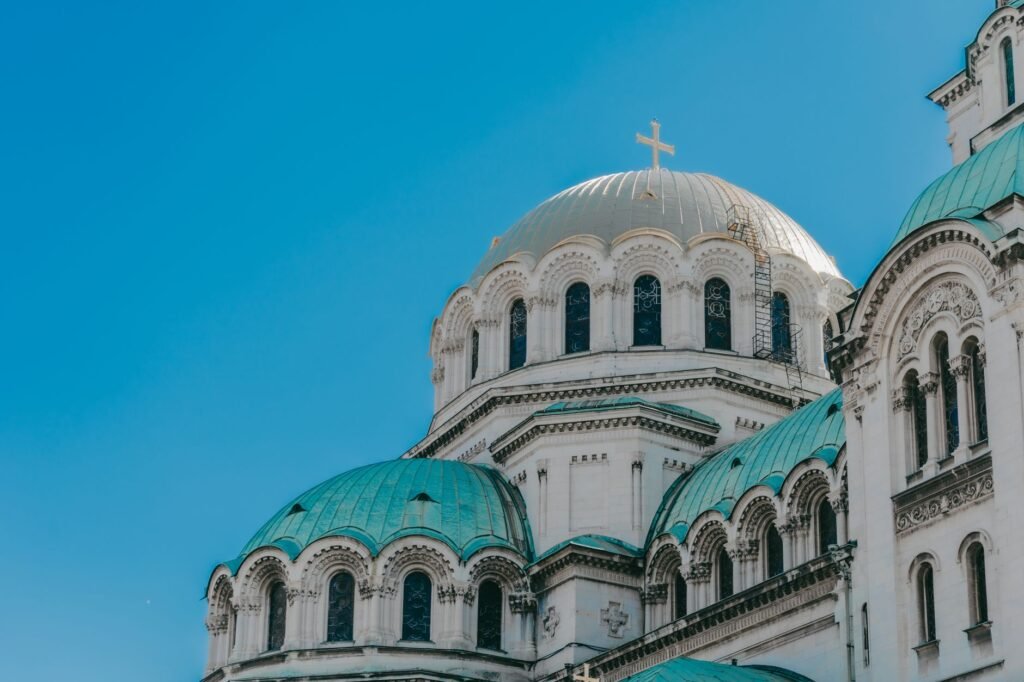
Dubrovnik, often dubbed the “Pearl of the Adriatic,” is famous for its stunning coastal scenery and well-preserved medieval architecture. The city’s Old Town, encircled by impressive stone walls, is a UNESCO World Heritage site and offers a wealth of history and charm. Walking along the city walls provides breathtaking views of the Adriatic Sea and the terracotta rooftops of the old city.
In addition to exploring the historic sites, take advantage of the beautiful beaches that surround Dubrovnik. Banje Beach is a popular choice, offering crystal-clear waters and stunning views of the Old Town. For a more secluded experience, consider visiting the nearby Lokrum Island, which can be reached by ferry.
Food enthusiasts will enjoy sampling fresh seafood and local dishes in Dubrovnik’s many restaurants. Try the black risotto, made with cuttlefish ink, or indulge in a traditional peka dish, which consists of meat and vegetables slow-cooked under a bell-shaped lid.
8. Discover the History of Tallinn, Estonia
Tallinn, the capital of Estonia, is a city that seamlessly blends medieval charm with modern innovation. The Old Town, a UNESCO World Heritage site, is one of the best-preserved medieval cities in Europe. Its cobbled streets, colorful buildings, and historic churches create a fairy-tale atmosphere that’s perfect for exploring on foot.
Key attractions include the Alexander Nevsky Cathedral, a stunning example of Russian architecture, and Toompea Castle, which offers panoramic views of the city. Don’t forget to visit the Tallinn Town Hall, where you can learn about the city’s history and enjoy the vibrant atmosphere of the town square.
Tallinn is also known for its burgeoning food scene, with numerous cafes and restaurants offering innovative dishes using local ingredients. Explore the Telliskivi Creative City, a former industrial complex turned cultural hub, where you can find unique shops, art spaces, and eateries.
Uncover the Mystique of Sibiu, Romania
An Artistic Hub
Sibiu is a city that blends history with modern creativity, making it a hidden gem in Romania. Known for its well-preserved medieval architecture, Sibiu is also a vibrant artistic center. The city hosts numerous art galleries, workshops, and cultural events throughout the year. You can explore places like the Brukenthal Palace, which houses one of the oldest museums in Romania, showcasing a collection of European art.
Don’t miss the annual Sibiu International Theatre Festival, which attracts performers from around the globe. This event transforms the city into a stage, with performances happening in various public spaces. The atmosphere during the festival is electric, and it provides a unique opportunity to experience local culture through the lens of international art.
Culinary Delights
The culinary scene in Sibiu is a delightful mix of traditional Romanian flavors and modern gastronomy. Local restaurants serve dishes that reflect the region’s history, such as cozonac (a sweet bread) and sarmale (cabbage rolls). Visitors can participate in cooking classes to learn how to prepare these dishes themselves.
- Must-Try Dishes:
- Ciorbă de burtă (tripe soup)
- Papanasi (fried cheese doughnuts)
- Mititei (grilled sausages)
Experience the Natural Wonders of the Danube Delta, Romania
A UNESCO World Heritage Site
The Danube Delta is one of Europe’s most biodiverse regions, recognized as a UNESCO World Heritage Site. This sprawling delta is home to over 300 species of birds and numerous fish species, making it a paradise for nature lovers and bird watchers. Visitors can explore the delta through guided boat tours that navigate its winding waterways and marshes.
While cruising through the delta, you’ll encounter stunning landscapes filled with lush vegetation and unique wildlife. The best time to visit is during spring and autumn, when migratory birds flock to the area. It’s also a fantastic location for photography enthusiasts looking to capture the beauty of untouched nature.
Local Communities and Traditions
The delta is not only rich in natural beauty but also in cultural heritage. Small fishing villages dot the landscape, where traditional lifestyles are preserved. Visitors can interact with local fishermen and learn about their customs and way of life. Participate in fishing trips or traditional cooking sessions to fully immerse yourself in the local culture.
- Activities to Enjoy:
- Bird watching excursions
- Kayaking through the waterways
- Traditional fishing experiences
Delve into the Artistic Scene of Vilnius, Lithuania
Street Art and Creative Spaces
Vilnius is a city that celebrates creativity through its vibrant street art scene. Artists have transformed the city into an open-air gallery, with murals and installations that reflect social issues and local culture. A walking tour of the city will reveal thought-provoking artworks that showcase the talents of both local and international artists.
One of the best places to explore is the Užupis district, known for its bohemian atmosphere. This self-declared republic has its own constitution and is home to many artists and creatives. The area features art studios, galleries, and trendy cafés, making it an ideal spot to relax and enjoy the local vibe.
Art Galleries and Museums
In addition to street art, Vilnius boasts a variety of museums and galleries that highlight the country’s artistic heritage. The National Museum of Lithuania offers insights into the country’s history and culture. For contemporary art lovers, the Contemporary Art Centre showcases cutting-edge works from Lithuanian and international artists.
- Recommended Museums:
- National Museum of Lithuania
- Contemporary Art Centre
- MO Museum (Museum of Modern Art)
Frequently Asked Questions
What is the best time to visit Eastern Europe?
The best time to visit Eastern Europe varies by country, but generally, spring (April to June) and fall (September to October) offer pleasant weather and fewer crowds. Summer can be busy, especially in tourist hotspots, while winter is great for skiing and holiday festivities.
Is Eastern Europe safe for travelers?
Generally, Eastern Europe is considered safe for travelers. However, it’s advisable to stay aware of your surroundings, avoid poorly lit areas at night, and keep valuables secure. As with any travel destination, it’s wise to research specific cities and regions before your trip.
What is the currency used in Eastern Europe?
Currency varies by country. For example, Poland uses the złoty, Hungary uses the forint, and the Czech Republic uses the koruna. Be sure to check the currency used in each country you plan to visit and exchange money accordingly.
How can I travel between Eastern European countries?
Traveling between Eastern European countries can be done via budget airlines, trains, or buses. Trains are often a convenient and scenic way to travel, while buses can be budget-friendly. Check schedules and book in advance for the best prices.
The Bottom Line
Eastern Europe is an enchanting region that boasts a wealth of history, culture, and natural beauty. From the architectural wonders of Prague and Budapest to the scenic landscapes of the Tatra Mountains and the vibrant streets of Lviv, there are countless experiences waiting to be discovered. Whether you’re looking for adventure, relaxation, or cultural immersion, the top things to do in Eastern Europe promise to create unforgettable memories.