Key Takeaways
- Tokyo offers a plethora of free attractions.
- Engage with local culture through parks and temples.
- Enjoy vibrant neighborhoods without spending a dime.
- Plan your visit around seasonal festivals for added experiences.
Exploring Tokyo on a Budget
Tokyo, a sprawling metropolis, is known for its unique blend of traditional and modern influences. For travelers looking to explore this vibrant city without emptying their wallets, there are countless free activities that provide a rich experience. From serene parks to bustling neighborhoods, this guide outlines the top free things to do in Tokyo, ensuring you can enjoy all that the city has to offer without spending a yen.
The beauty of Tokyo lies not only in its impressive skyscrapers and neon signs but also in its cultural heritage and natural beauty. Many of the city’s attractions, including temples, gardens, and festivals, can be enjoyed at no cost. This guide provides practical information, tips, and insights to help you navigate your visit effectively.
Whether you’re a first-time visitor or a seasoned traveler, exploring Tokyo without a budget can be both enjoyable and fulfilling. Let’s delve into some of the top free things to do in this dynamic city.
1. Visit the Majestic Parks
Tokyo is home to several beautiful parks that offer a peaceful escape from the city’s hustle and bustle. Here are some noteworthy parks that are not only free to enter but also provide picturesque scenery and recreational opportunities:
- Ueno Park: One of Tokyo’s most famous parks, Ueno Park is home to museums, a zoo, and beautiful cherry blossoms in spring. Visitors can stroll through its vast gardens and enjoy the numerous ponds.
- Yoyogi Park: Perfect for picnics, Yoyogi Park is a popular hangout spot, especially on weekends. Here, you can often find local musicians and performers showcasing their talents.
- Shinjuku Gyoen National Garden: While there’s a nominal entrance fee for the main garden, visitors can explore the surrounding areas for free. The garden boasts diverse landscapes, from traditional Japanese gardens to Western-style lawns.
Experience Nature in the City
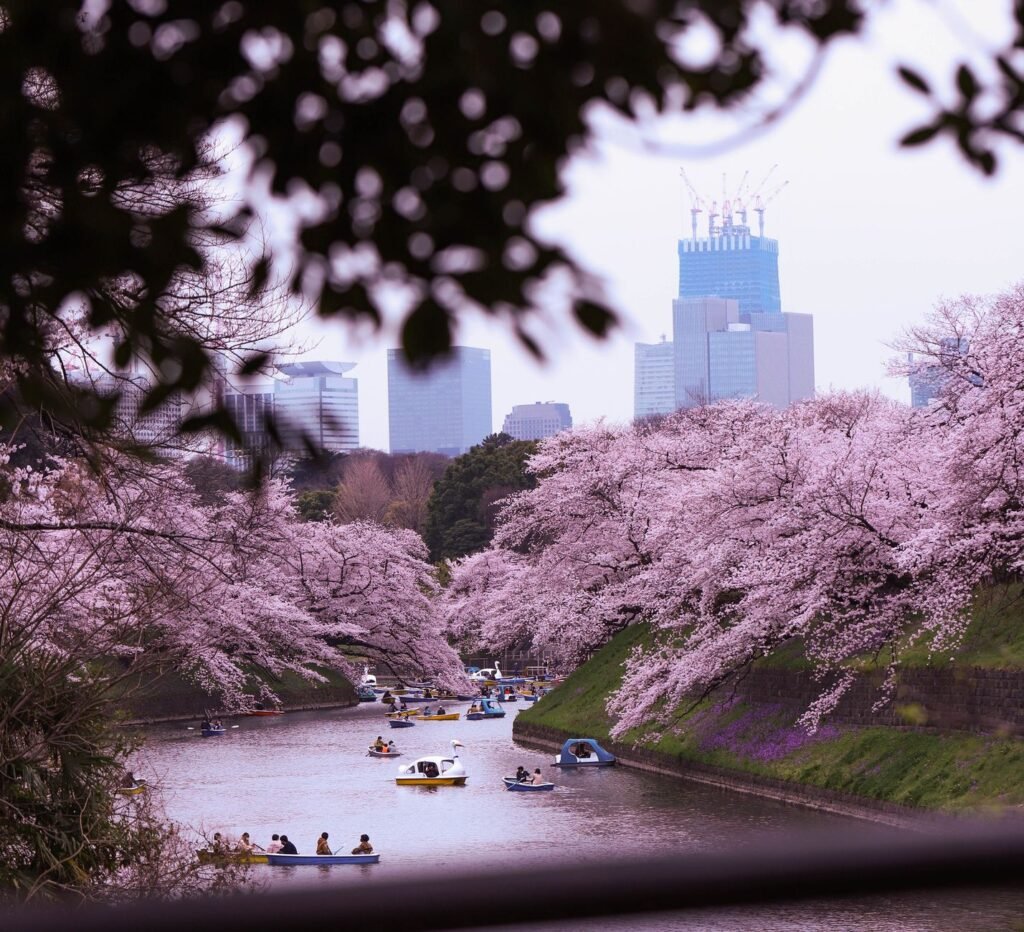
Tokyo’s parks are more than just green spaces; they are cultural hubs where locals gather. For instance, Ueno Park often hosts seasonal events and festivals, providing visitors with a unique cultural experience. Additionally, the cherry blossom season in spring attracts crowds eager to witness the stunning blooms, making it a perfect time for photography and relaxation.
Moreover, parks like Yoyogi are ideal for people-watching and enjoying the vibrant atmosphere of Tokyo life. You might even come across a spontaneous dance session or a drum circle, adding to the park’s lively ambiance.
2. Discover Historic Temples and Shrines
Tokyo is dotted with beautiful temples and shrines that reflect Japan’s rich cultural heritage. Many of these sacred places are free to visit and offer a glimpse into the spiritual side of Japanese life.
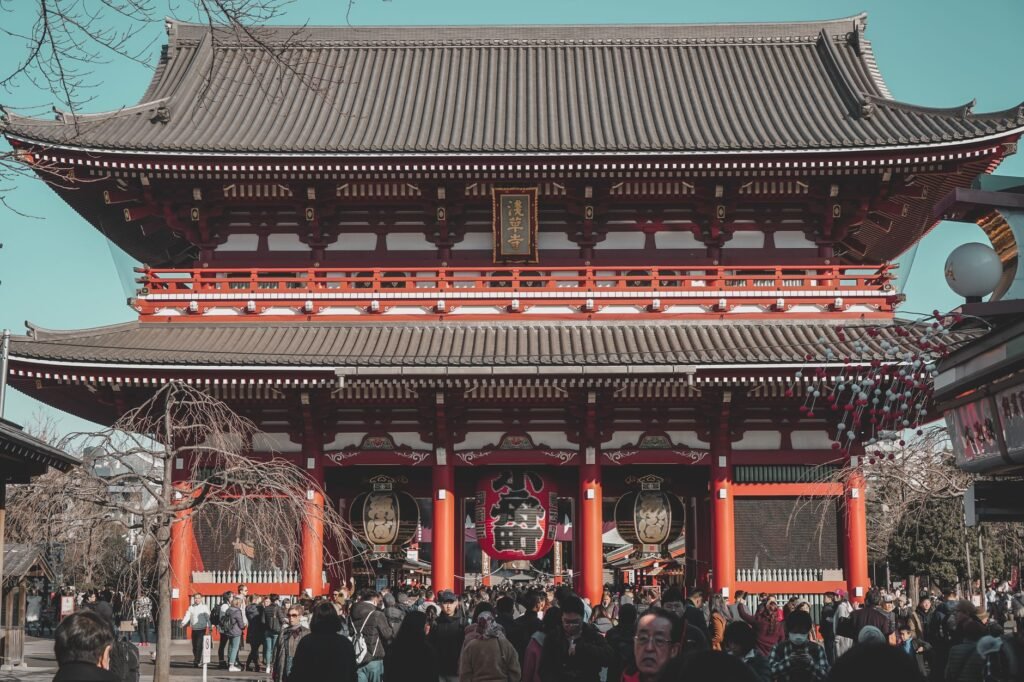
- Sensō-ji Temple: Located in Asakusa, this is Tokyo’s oldest temple and a significant cultural landmark. Visitors can explore the vibrant streets leading up to the temple and enjoy traditional snacks sold by local vendors.
- Meiji Shrine: Nestled within a lush forest in Shibuya, Meiji Shrine is dedicated to Emperor Meiji and Empress Shoken. The serene atmosphere makes it a perfect spot for reflection.
- Nezu Shrine: Known for its beautiful azalea garden, Nezu Shrine is a hidden gem that provides a tranquil setting, especially during the azalea season in late April.
Engaging with Local Culture
Visiting temples and shrines allows travelers to engage with local customs and traditions, such as participating in a Shinto purification ritual or enjoying the peaceful ambiance of a temple garden. At Sensō-ji, you can also observe traditional practices like fortune-telling and incense burning, which are integral to Japanese culture.
For a real-life illustration, consider a traveler named Sarah who visited Sensō-ji on her first day in Tokyo. She was captivated by the vibrant street market leading up to the temple, where she sampled freshly made melon bread and bought a lucky charm. The experience gave her insights into local culture, making her trip all the more memorable.
3. Explore Vibrant Neighborhoods
Tokyo’s neighborhoods each have their unique personality and offer plenty of opportunities for exploration without spending money. Here are some neighborhoods to consider:
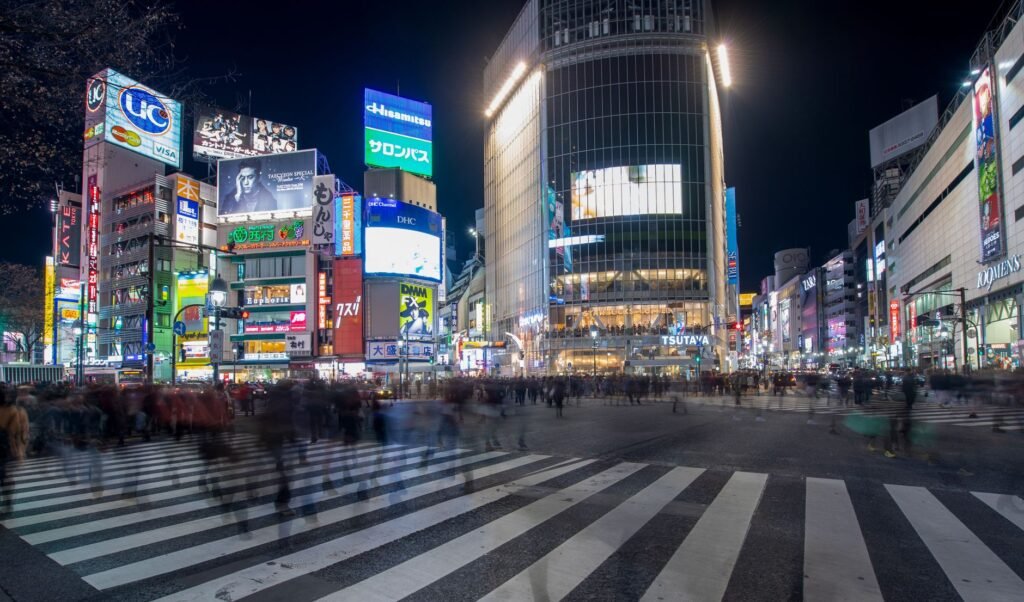
- Shibuya: Famous for its bustling crossing and vibrant nightlife, Shibuya is a must-visit. The iconic Shibuya Crossing is a great spot for people-watching and photography.
- Harajuku: Known for its quirky fashion scene, Harajuku is a haven for those who enjoy street culture. Take a stroll down Takeshita Street to experience its eclectic shops and cafes.
- Akihabara: The center of otaku culture, Akihabara is filled with electronics shops and anime stores. Visitors can enjoy window shopping and exploring themed cafés.
Unique Cultural Experiences
Wandering through these neighborhoods provides insight into the daily lives of Tokyo residents. In Shibuya, the crossing fills with hundreds of pedestrians at every light change, creating a spectacular view. Meanwhile, Harajuku offers a glimpse into Japan’s youth culture with its vibrant street fashion and art installations.
For example, a traveler named Mark found himself in Harajuku during the annual Halloween parade. Surrounded by locals in imaginative costumes, he felt the pulse of Tokyo’s youth culture, realizing that the city is as much about its people as its sights.
4. Attend Local Festivals and Events
Tokyo hosts numerous festivals throughout the year, many of which are free to attend. Participating in local events is a fantastic way to experience Japanese culture up close.
- Sumida River Fireworks Festival: Held in summer, this festival features spectacular fireworks along the Sumida River. The event attracts large crowds, creating a festive atmosphere.
- Sanja Matsuri: One of Tokyo’s most famous festivals, Sanja Matsuri takes place at Asakusa Shrine in May. It features lively parades, traditional music, and local food stalls.
- Cherry Blossom Festivals: In spring, parks and streets bloom with cherry blossoms. Many parks host festivals with food stalls and entertainment, celebrating the beauty of sakura.
Connecting with Local Traditions
Attending these festivals provides an opportunity to connect with local traditions and customs. For instance, during the Sanja Matsuri, visitors can witness traditional mikoshi (portable shrines) being paraded through the streets, accompanied by energetic chants and music.
One traveler, Emma, experienced the cherry blossom festival at Ueno Park and was amazed by the sight of families picnicking under the blooming trees. She enjoyed traditional sakura-themed snacks and joined in the festivities, feeling like a part of the local community.
5. Enjoy Street Art and Murals
Tokyo is home to a vibrant street art scene, with many neighborhoods showcasing impressive murals and installations. Exploring these areas is not only free but also allows for a unique artistic experience.
- Shibuya: The walls around Shibuya are adorned with colorful murals that change frequently, reflecting contemporary culture.
- Harajuku: Known for its creative expression, Harajuku features playful street art and graffiti that captures the essence of youth culture.
- Koenji: This neighborhood is a hub for alternative art, with many local artists showcasing their work on the streets.
Capturing the Creative Spirit
Exploring these neighborhoods not only allows visitors to appreciate the art but also provides insight into Tokyo’s creative community. Street art often tells stories about the culture and social issues of the time, making each piece thought-provoking.
For example, one traveler named Alex stumbled upon a large mural in Koenji that depicted the struggles of the local community. Intrigued, he spent time photographing the artwork and later learned about the artist’s intention, adding depth to his understanding of the city.
6. Visit Free Museums and Galleries
Tokyo offers several museums and galleries that are free to enter, providing a chance to immerse oneself in art, history, and culture without spending money.
- Tokyo Metropolitan Art Museum: Located in Ueno Park, this museum often features free exhibitions, allowing art lovers to enjoy a range of contemporary works.
- National Museum of Nature and Science: While the main exhibits may have a fee, certain areas of the museum can be explored at no charge on specific days.
- Shitamachi Tanabata Museum: Dedicated to the Tanabata festival, this quaint museum provides insights into local traditions and is free to visit.
Engaging with Cultural Exhibits
These museums not only showcase art and history but also often host workshops and events that allow visitors to engage with the local culture. For instance, the Tokyo Metropolitan Art Museum frequently organizes special events that coincide with exhibitions, enhancing the visitor experience.
One visitor named Rachel attended a workshop at the Shitamachi Tanabata Museum, where she learned to make traditional decorations for the Tanabata festival. This hands-on experience allowed her to connect with local customs and take home a unique souvenir.
Experience Tokyo’s Scenic Viewpoints
1. Tokyo Metropolitan Government Building
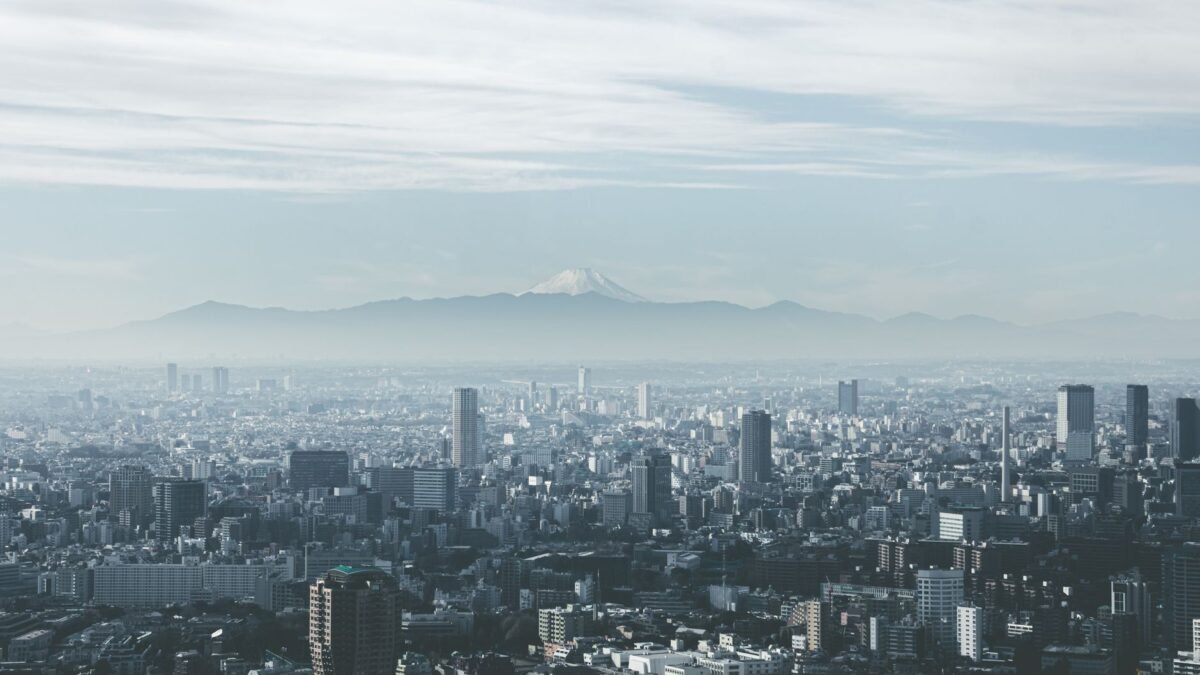
The Tokyo Metropolitan Government Building features two observation decks that offer stunning panoramic views of the city, all for free. Located in Shinjuku, the decks are situated on the 45th floor and provide a perfect vantage point for both day and night visits. On a clear day, you can even catch a glimpse of Mount Fuji in the distance.
Visitors can enjoy the expansive view of Tokyo’s skyline, including landmarks such as the Tokyo Tower and the Skytree. The observation decks also have informative panels that help visitors identify the various districts and attractions visible from the heights. Make sure to check the opening hours, as these can vary, especially during holidays.
2. Hama-Rikyu Gardens
While some gardens in Tokyo charge an entrance fee, Hama-Rikyu Gardens offers free entry during specific times of the year. This beautiful garden, dating back to the Edo period, is a serene oasis amidst the city’s hustle and bustle. Visitors can explore traditional Japanese landscaping, including meticulously manicured plants, a historic pond, and teahouses.
Walking through Hama-Rikyu, you’ll encounter various seasonal flowers, making it a perfect spot for photography or simply enjoying nature. You can also spot the contrast between the lush greenery and the surrounding skyscrapers, which makes for a unique experience. Don’t miss the chance to spot the resident ducks and other wildlife that thrive in this tranquil setting.
3. Shibuya Crossing
One of the most iconic spots in Tokyo, Shibuya Crossing is famous for its bustling pedestrian traffic. Watching the organized chaos of people crossing from all directions at once is an experience that encapsulates Tokyo’s vibrant culture. Free to visit, this intersection offers a unique perspective on urban life in Tokyo.
For the best experience, visit during peak hours, usually in the evening, when the neon lights of nearby buildings come alive. There are several viewing spots nearby, including the second-floor Starbucks, where you can grab a coffee while observing the scene. Additionally, Shibuya is home to many shops and eateries, making it easy to spend an entire day exploring the area.
Engage with Local Culture and Nature
1. Participate in a Free Walking Tour
Many organizations in Tokyo offer free walking tours led by knowledgeable guides. These tours provide a unique insight into the city’s history, culture, and local life. From exploring the historic neighborhoods of Yanaka to discovering the hidden gems in Asakusa, there are tours available for various interests.
While the tours are free, it’s customary to tip your guide if you enjoyed the experience. The guides are often passionate locals who share fascinating stories and information that you might not find in guidebooks. Be sure to check the schedule in advance, as some tours may require reservations.
2. Visit the Imperial Palace East Gardens
The Imperial Palace East Gardens are a beautiful area to explore without spending a yen. Open to the public, these gardens are part of the former Edo Castle and feature stunning landscapes, historical ruins, and a serene atmosphere. Visitors can stroll along the well-maintained paths and enjoy the seasonal beauty of cherry blossoms in spring and colorful foliage in autumn.
Within the gardens, you’ll find informative signage detailing the history and significance of the various sites. The East Gardens are also home to several museums and art installations, providing additional cultural enrichment. Relax on a bench and take in the peaceful surroundings, making it a perfect escape from the city’s fast pace.
3. Explore Local Markets
Tokyo is home to numerous markets where you can immerse yourself in local culture without spending much. Visiting these markets is an experience in itself, providing insight into Tokyo’s culinary landscape and daily life. Here are a few must-visit markets:
- Tsukiji Outer Market: While the inner wholesale market has moved to Toyosu, the outer market remains vibrant with fresh seafood and local delicacies.
- Ameya-Yokocho: This bustling market in Ueno offers everything from street food to clothing, providing a snapshot of local life.
- Yanaka Ginza: A charming shopping street that showcases traditional snacks, crafts, and a glimpse into the nostalgic charm of old Tokyo.
Walking through these markets allows you to engage with local vendors and perhaps sample some free tastings. Enjoy the lively atmosphere and the chance to practice your Japanese with friendly shopkeepers, making it a culturally enriching experience.
Frequently Asked Questions
What are the best times to visit Tokyo for free activities?
The best times to visit Tokyo for free activities are during the cherry blossom season in spring and the fall when the foliage is vibrant. Many festivals also take place during these times, enhancing the experience.
Are there any guided free walking tours in Tokyo?
Yes, there are several organizations that offer free walking tours in Tokyo. These tours typically rely on tips, so it’s good practice to tip the guide if you enjoy the experience.
How can I find local events happening during my visit?
Check local bulletin boards, tourist information centers, or community websites for information on events happening during your stay. Social media platforms are also useful for finding local happenings.
Is it safe to explore Tokyo alone?
Yes, Tokyo is considered one of the safest cities in the world. However, as with any city, it’s advisable to stay aware of your surroundings and keep personal belongings secure.
The Bottom Line
Tokyo is a treasure trove of free activities and experiences that allow travelers to explore the city’s rich culture and vibrant community without spending money. From beautiful parks and historic temples to lively neighborhoods and engaging festivals, there’s no shortage of things to do. With careful planning and a spirit of curiosity, you can enjoy a fulfilling visit to Tokyo while keeping your budget intact.