
Key Takeaways
- Tipping practices vary widely across the Middle East.
- Always check local customs before traveling to a new city.
- Restaurant tips typically range from 10% to 15%.
- Service workers appreciate small gestures of gratitude.
Tipping customs are an integral part of travel etiquette, especially in the Middle East, where practices can differ significantly from one country to another. Understanding these customs can enhance your travel experience, showing respect for local traditions and ensuring that your interactions with service providers are amicable. This guide will explore the nuances of tipping across various Middle Eastern countries, providing practical tips for travelers.
In many Middle Eastern countries, tipping is not just appreciated; it is expected in various service sectors. While in some cultures, tipping is considered a reward for exceptional service, in the Middle East, it often serves as a supplemental income for service workers who may earn low wages. Therefore, grasping the tipping landscape is crucial, especially if you want to navigate social interactions smoothly and avoid any unintentional faux pas.
From restaurants to hotel stays, taxis, and beyond, here’s an in-depth look at tipping practices in the Middle East that can guide your journey.
Tipping in Restaurants
Dining out is a common experience for travelers, and knowing how much to tip can be confusing. In the Middle East, restaurant tipping practices vary, but here are some general guidelines:
- Standard Gratuity: In most Middle Eastern countries, a tip of around 10% to 15% is considered standard. If a service charge is included in your bill, check to see if it is sufficient; if not, adding an additional tip is courteous.
- Local vs. International Restaurants: Local eateries may have different expectations compared to international chains. In local restaurants, tipping less than 10% might be acceptable, while higher-end establishments may anticipate a more substantial tip.
- Cash Tips: Leaving cash on the table is often preferred over adding to a credit card bill. This ensures that the staff receives the entire amount directly.
For instance, if you dine at a traditional Lebanese restaurant in Beirut, your bill might come to 50,000 Lebanese Pounds. A tip of 5,000 to 7,500 Pounds would reflect good service, and leaving it in cash will ensure it reaches your waiter directly.
Tipping in Hotels
Hotels in the Middle East, especially those catering to international tourists, generally reflect a more formal tipping structure. Here’s how to approach tipping in hotels:
- Bellhops and Porters: When a bellhop assists you with your luggage, a tip of around 5 to 10 AED (or equivalent) is customary, depending on how many bags are carried.
- Housekeeping: Leaving a tip of 5 to 10 AED per day for housekeeping staff is appreciated, particularly if you are staying for multiple nights. Consider leaving the tip daily, as different staff may clean your room.
- Concierge Services: If you receive special assistance, such as restaurant reservations or local tours, a tip of 20 to 50 AED is appropriate based on the level of service.
A traveler visiting Dubai might find themselves in a luxurious hotel where the service is impeccable. Leaving a tip of 20 AED for the housekeeping staff after a week-long stay can make a significant difference in their earnings.
Tipping Taxi Drivers
Tipping taxi drivers is another area where travelers may feel uncertain. Here’s how to navigate this aspect:
- Rounding Up: A common practice is to round up the fare to the nearest 5 or 10 AED. This is seen as a generous gesture without needing to calculate a specific percentage.
- Long-Distance Rides: If you take a long ride or experience exceptional service, consider adding a few extra dirhams to the fare as a token of appreciation.
- Ride-Hailing Services: For services like Uber or Careem, tipping is not mandatory, but rounding up to the nearest amount or offering a small tip can be appreciated by the driver.
For example, if your taxi fare from the airport to your hotel in Cairo comes to 75 EGP, tipping the driver 80 EGP is a simple and effective way to show gratitude.
Tipping in Tour Services
When participating in guided tours, understanding the tipping customs can enhance your experience:
- Tour Guides: A tip of 10 to 15% of the tour cost is generally appreciated, especially if the guide provides a wealth of information and personal attention.
- Drivers: If your tour includes transportation, a tip for the driver is also customary, ranging from 5 to 10 AED, depending on the length of the tour.
- Group Tours vs. Private Tours: In group settings, the tip can be pooled and distributed, while for private tours, it’s more common to tip directly to the guide and driver.
Imagine you’re on a private tour of Petra in Jordan. If the tour costs 100 JOD, leaving 10 JOD for your guide who made the experience memorable is a thoughtful gesture.
Regional Variations in Tipping Customs
While the above guidelines apply broadly, it’s important to recognize that each country in the Middle East has unique customs:
- Egypt: Tipping is ingrained in Egyptian culture, and locals often round up bills in restaurants, taxis, and for services. A 12-15% tip in restaurants is expected.
- United Arab Emirates: The UAE has a more Westernized approach, with tips around 10-15% in restaurants and cash tips for hotel staff. However, service charges are commonly included in bills.
- Jordan: Tips of 10% are standard in restaurants, and small amounts for taxi services are appreciated. Local customs may vary, so always check.
Travelers should familiarize themselves with specific customs by asking locals or referencing reliable travel guides. Learning about tipping customs can significantly improve interactions and help travelers feel more connected to the local culture.
Tips for Tipping in the Middle East
Here are some practical tips to keep in mind when navigating tipping customs:
- Always Carry Small Bills: Having small denominations will make it easier to tip service providers without needing to rely on change.
- Be Observant: If unsure about the local tipping customs, observe what other patrons do or ask locals. They can provide insight into what’s considered appropriate.
- Respect Cultural Norms: In some cultures, tipping may be seen as an insult. Always approach tipping with awareness of the local customs and traditions.
Understanding the Cultural Significance of Tipping
Tipping in the Middle East is not merely a financial transaction; it is deeply embedded in the sociocultural fabric of the region. Understanding the cultural significance of tipping can enhance your travel experience and help you connect with the local people.
Hospitality and Generosity
The Middle Eastern culture places a high value on hospitality and generosity. Tipping is often viewed as a gesture of appreciation for the service received and reflects the social norms surrounding courtesy. When you tip, you are not just rewarding service; you are participating in a cultural exchange that emphasizes kindness and respect.
- Expressing Gratitude: A tip is often seen as a thank you for the effort made by service providers.
- Building Relationships: In many cases, tipping helps forge connections between visitors and locals, fostering goodwill.
- Encouraging Quality Service: By tipping, you motivate service staff to continue providing excellent service.
Social Dynamics and Class Structure
The act of tipping can also reflect the social dynamics and class structures present in Middle Eastern societies. While tipping is generally encouraged, the amount and frequency can vary significantly based on social context. Understanding these nuances can help travelers navigate interactions more gracefully.
- Economic Disparities: Service staff often rely on tips to supplement their income, especially in countries with lower wages.
- Respect and Recognition: A generous tip can signify respect for the hard work and dedication of the service providers.
- Peer Pressure: In some settings, the expectations around tipping can influence how much others are willing to give.
Sector-Specific Tipping Norms
Different sectors within the Middle East have unique tipping norms that travelers should be aware of. Understanding these can prevent awkward situations and ensure that you are adhering to local customs.
Healthcare Services
In healthcare settings, particularly in private hospitals and clinics, tipping can be a sensitive subject. While not expected, a small token of appreciation may be appreciated by the staff for exceptional care.
- Doctors: It’s generally not customary to tip doctors, but a thank-you note can be a nice gesture.
- Nurses and Support Staff: A small tip or gift may be appropriate for nurses who go above and beyond.
- Hospitality Staff: If you are staying in a medical facility that offers hospitality services, tipping housekeepers or attendants may be appreciated.
Transportation Services Beyond Taxis
While tipping taxi drivers is common, other forms of transportation may also require different tipping norms. Understanding these can help you navigate local transportation options more effectively.
- Buses and Coaches: Tipping is not customary, but a small amount may be given for exceptional service, especially if the driver helps with luggage.
- Private Transfers: If you hire a private driver, a tip of 10-15% is generally appreciated for good service.
- Guided Tours: For guided tours, tipping the guide is expected, typically ranging from 10-20% of the tour cost.
Shopping and Marketplaces
In the bustling marketplaces of the Middle East, tipping norms can differ significantly from other sectors. Knowing when and how to tip can enhance your shopping experience.
- Sales Staff: Tipping sales staff is generally not expected, but it’s appreciated for exceptional service.
- Market Vendors: When purchasing from street vendors, rounding up your bill is a common practice, particularly if the vendor is friendly.
- Artisans and Craftsmen: If you commission a piece or receive a personalized service, a small tip can be a thoughtful gesture.
Tipping Etiquette: Dos and Don’ts
Mastering the etiquette of tipping can ensure that your gestures are received positively. Knowing the dos and don’ts can make a significant difference in how your tips are perceived.
Dos of Tipping in the Middle East
- Do tip in cash: Cash is preferred over credit cards for tips, as it allows the recipient to keep the money immediately.
- Do observe local customs: Pay attention to local practices and adjust your tipping accordingly.
- Do express your appreciation verbally: Complimenting the service in addition to tipping can enhance the positive impact of your gesture.
Don’ts of Tipping in the Middle East
- Don’t tip excessively: While generosity is appreciated, tipping too much can be perceived as flaunting wealth.
- Don’t force a tip: If someone declines your tip, respect their wishes, as it may be against their personal or cultural beliefs.
- Don’t forget to consider the context: Different situations may call for different tipping amounts; adjust based on the service provided.
Tipping in Local Markets and Bazaars
Understanding the Role of Bargaining
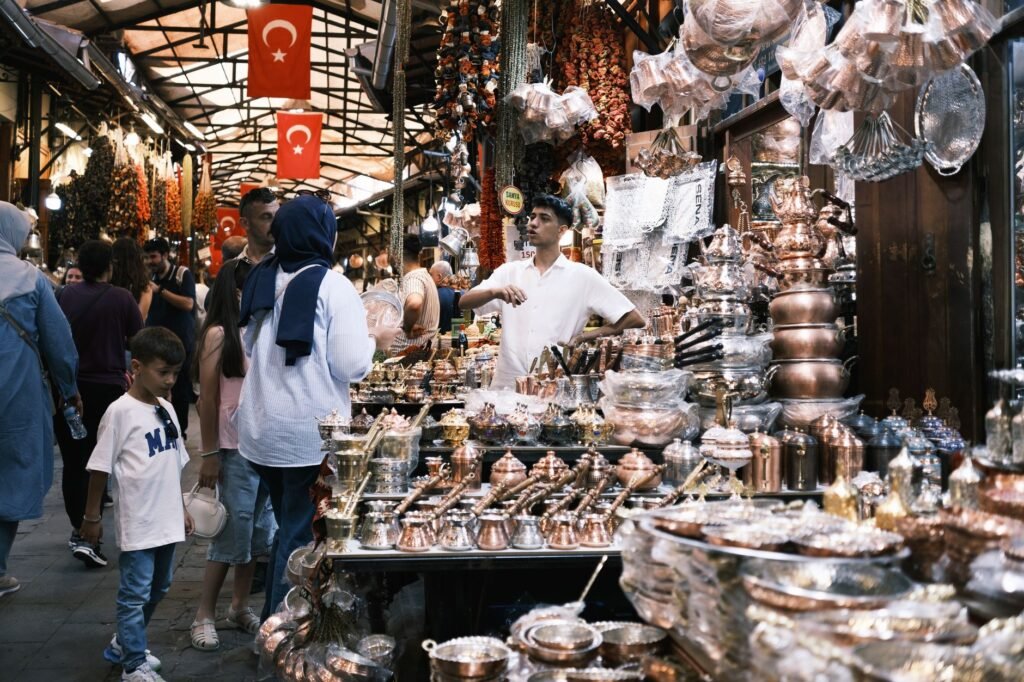
Local markets and bazaars are vibrant places where bargaining is a common practice. Typically, the initial price set by the vendor is negotiable, and it is expected that customers will haggle to reach a mutually agreeable price. While tipping isn’t customary in the same way as in restaurants or hotels, it can still play a role in the overall transaction.
When purchasing items, if you feel that the vendor provided exceptional service or went above and beyond during the bargaining process, a small tip or rounding up the final price can be appreciated. This gesture acknowledges their effort and helps cultivate positive relationships, especially if you plan to return.
Tips for Navigating Market Etiquette
- Start with a friendly greeting to establish rapport.
- Be aware of cultural nuances in negotiation.
- Respect the vendor’s space and privacy.
- Consider small tips for exceptional service, especially in handicraft or specialty shops.
Tipping in Transportation Services
Private Drivers and Chauffeurs
When hiring private drivers or chauffeurs, tipping can vary based on the service level. If your driver assists with luggage or provides additional insights during your journey, a tip of about 10% of the fare is generally appropriate. This gesture shows appreciation for their service and can enhance your travel experience.
In some instances, if the driver goes above and beyond, such as providing refreshments or ensuring comfort during long trips, consider tipping more generously. Always assess the quality of service before deciding on the amount.
Public Transport Insights
In many Middle Eastern countries, public transport systems like buses and subways typically do not require tips. However, if you encounter a porter or helper at a bus or train station, providing a small tip (around 1-2 AED or equivalent) for assistance with luggage is common.
Special Occasions and Events
Tipping at Weddings and Celebrations
Attending local weddings or celebrations can involve unique tipping customs. If you are invited to such events, it is customary to offer a cash gift to the couple, which can serve as a form of tipping. The amount varies based on your relationship to the couple and local customs, but it typically ranges from $50 to $200.
Event Staff and Performers
During cultural events, performances, or festivals, tipping performers or event staff is appreciated, especially if they provide exceptional service or entertainment. Consider tipping musicians, dancers, or guides who enhance your experience. A tip of 5-10% of your total expenses for services rendered is often well-received.
Frequently Asked Questions
Is tipping mandatory in the Middle East?
Tipping is not legally mandatory in most Middle Eastern countries, but it is widely practiced and appreciated. Service workers often rely on tips as part of their income.
What if a service charge is included?
If a service charge is included in your bill, it is still common to leave an additional tip, especially if you feel the service was exceptional.
How should I tip in cash if I don’t have local currency?
While it’s best to tip in local currency, in tourist areas, some service providers may accept US dollars or euros. However, it’s advisable to use local currency whenever possible.
Are there any countries in the Middle East where tipping is not expected?
In some countries, tipping may be less common, or service workers may not expect it. Always check local customs, especially in less touristy regions.
The Bottom Line
Understanding tipping customs in the Middle East is essential for a respectful and enjoyable travel experience. By familiarizing yourself with local practices, you can navigate social interactions with confidence and show appreciation for the services you receive. Always remember that tipping is not just about the money; it’s a gesture of gratitude that fosters goodwill and positive connections during your travels.