
Key Takeaways
- Jackson Hole offers stunning outdoor activities year-round.
- Understanding local wildlife safety is crucial for visitors.
- Budgeting for Jackson Hole can help manage expenses effectively.
- Exploring local culture and dining enhances the travel experience.
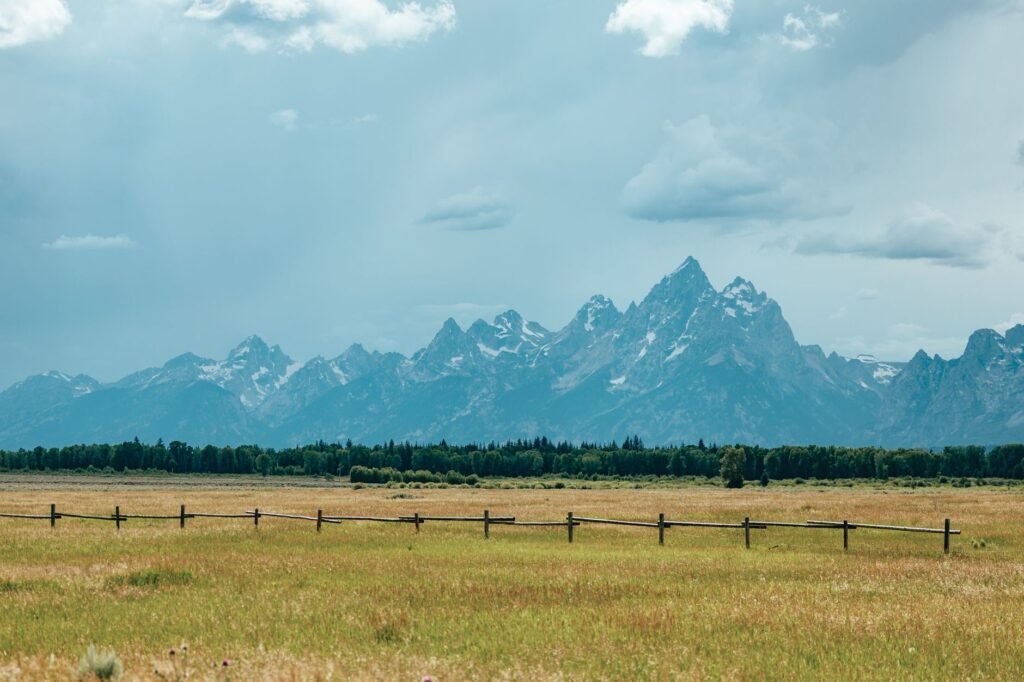
Jackson Hole, nestled in the Teton Range of Wyoming, is a breathtaking destination known for its stunning landscapes, outdoor adventures, and rich cultural heritage. Whether you’re an outdoor enthusiast, a foodie, or someone looking to relax, Jackson Hole has something for everyone. However, before you embark on your journey to this picturesque locale, there are several important things to know that will enhance your travel experience.
This guide covers essential tips and insights for travelers planning a trip to Jackson Hole. From the best times to visit and how to navigate the area to understanding local customs and safety precautions, this comprehensive overview will prepare you for an unforgettable adventure in one of America’s most stunning locations.
With its majestic mountains, diverse wildlife, and vibrant community, Jackson Hole is a place where nature and culture intersect beautifully. As you prepare for your trip, consider the following practical advice to make the most of your visit.
Understanding the Geography and Climate
Jackson Hole is located in the western part of Wyoming and is surrounded by Grand Teton National Park and Yellowstone National Park. The valley itself is about 48 miles long and 6 to 12 miles wide, characterized by its stunning mountain ranges and diverse ecosystems. Understanding the geography will help you appreciate the natural beauty and plan your activities accordingly.
When planning your trip, it’s essential to consider the climate. Jackson Hole experiences a range of weather conditions throughout the year:
- Winter (December to February): Expect cold temperatures, with averages around 20°F (-6°C). This is peak ski season, attracting snow sports enthusiasts.
- Spring (March to May): Temperatures begin to warm, ranging from 30°F to 60°F (-1°C to 15°C). Spring is a great time for wildlife watching as animals emerge after winter.
- Summer (June to August): Summers are warm and pleasant, with temperatures averaging 70°F to 80°F (21°C to 27°C). This is ideal for hiking and outdoor activities.
- Fall (September to November): Fall offers cooler temperatures and stunning autumn foliage. Expect temperatures between 30°F and 70°F (-1°C to 21°C).
Due to the high elevation (over 6,300 feet), visitors should be prepared for sudden weather changes and potential altitude sickness. Staying hydrated and taking it easy on your first day can help acclimate your body.
Transportation Options
Getting to and around Jackson Hole can be straightforward if you plan ahead. Here are some transportation options to consider:
Arriving in Jackson Hole
The Jackson Hole Airport (JAC) is the primary gateway for air travel. It offers flights from major cities, especially during the ski season. The airport is conveniently located just 15 minutes from downtown Jackson. Alternatively, you can fly into Salt Lake City International Airport (SLC) and drive to Jackson Hole, which takes about 4.5 hours.
Getting Around
Once in Jackson Hole, you have several options for getting around:
- Rental Cars: Renting a car gives you flexibility to explore the surrounding areas, especially if you plan to visit national parks.
- Public Transportation: The START Bus provides public transportation within Jackson and to Teton Village, making it a budget-friendly option.
- Biking and Walking: The town is bike-friendly and pedestrian-friendly, with many shops and attractions within walking distance.
Parking Considerations
If you plan to drive, be aware that parking can be limited during peak tourist seasons. In downtown Jackson, metered parking is available, and some attractions may have designated parking areas. Arrive early to ensure a spot, especially during busy times.
Outdoor Activities and Adventures
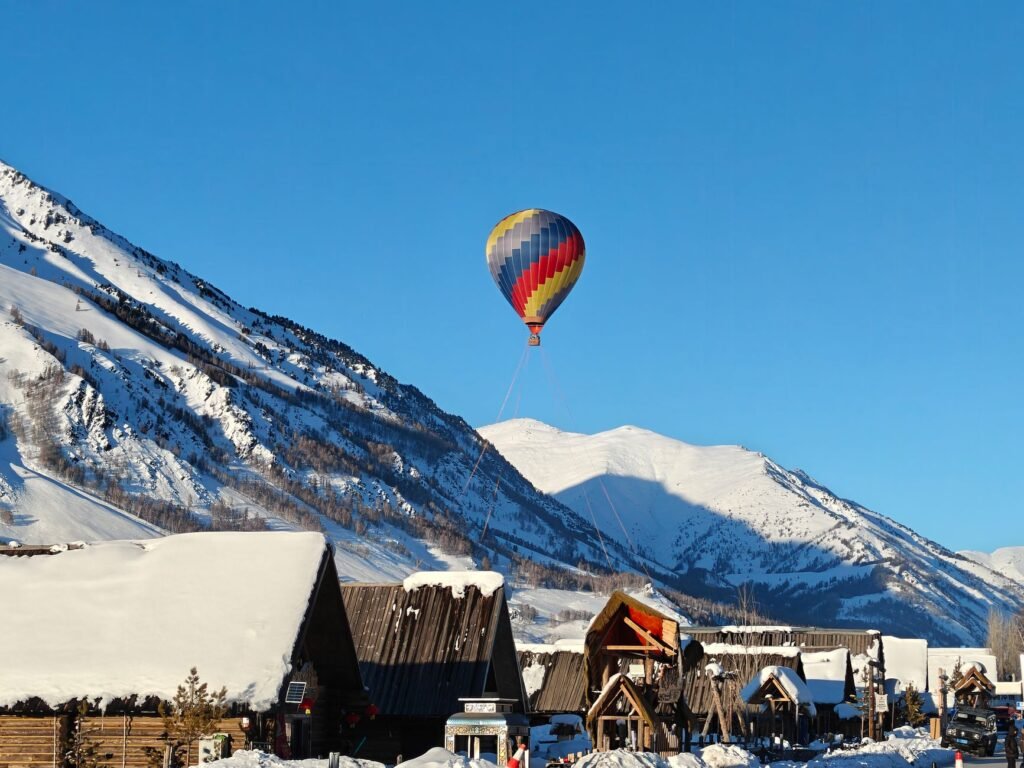
Jackson Hole is renowned for its outdoor activities, attracting adventure seekers from around the world. Here are some must-try experiences:
Skiing and Snowboarding
During winter, Jackson Hole Mountain Resort is a premier destination for skiing and snowboarding. With over 2,500 acres of skiable terrain, it caters to all skill levels. The resort offers ski lessons for beginners and numerous off-piste opportunities for advanced skiers. Be sure to check the snow conditions and book lift tickets in advance during peak season.
Hiking and Biking
In summer, the area transforms into a hiker’s paradise. Popular trails include:
- Jenny Lake Loop: A scenic 7.1-mile loop that offers breathtaking views of the Teton Range.
- Cascade Canyon Trail: A moderate hike leading into the heart of Grand Teton National Park.
- Rendezvous Mountain: Accessible via the aerial tram, offering stunning panoramic views.
Biking trails are also plentiful, with options ranging from easy paths to challenging mountain trails. Rentals are available in town.
Wildlife Watching
Jackson Hole is home to diverse wildlife, including elk, bison, moose, and bears. The best times for wildlife viewing are early morning or late evening. Consider joining a guided tour for insights into animal behavior and habitats. Always maintain a safe distance from wildlife and follow park regulations.
Local Culture and Dining
Understanding the local culture can significantly enhance your travel experience in Jackson Hole. The area boasts a rich history rooted in Native American heritage and the early fur trade.
Art and Festivals
Jackson Hole has a vibrant arts scene, with numerous galleries showcasing local artists. Events like the Jackson Hole Art Festival celebrate creativity with exhibitions and performances. Check the local calendar for seasonal events that may coincide with your visit.
Culinary Scene
The dining scene in Jackson Hole is diverse, offering everything from upscale restaurants to cozy diners. Notable dining spots include:
- Snake River Grill: Known for its innovative dishes and local ingredients.
- Persephone Bakery: A local favorite for breakfast and pastries.
- The Bunnery: A great place for brunch, with hearty portions and a varied menu.
Don’t miss the chance to try local specialties like bison burgers, elk steaks, and huckleberry desserts.
Shopping and Souvenirs
Jackson offers unique shopping experiences, from outdoor gear shops to art galleries. Look for locally made crafts and souvenirs to take home. The Town Square, with its iconic elk antler arches, is a great starting point for souvenir hunting.
Wildlife Safety and Conservation
Safety is paramount when encountering wildlife in Jackson Hole. Understanding the dos and don’ts can protect both you and the animals.
Bear Safety
If you’re hiking or biking, carry bear spray and know how to use it. Make noise while on trails to avoid surprising bears, and always travel in groups. If you encounter a bear, stay calm, back away slowly, and do not run.
Elk and Bison Precautions
Elk and bison are common in the area, especially during calving season. Maintain a safe distance of at least 25 yards from elk and 75 yards from bison. These animals can be unpredictable, and it’s important to respect their space.
Leave No Trace Principles
Conservation is vital for preserving the natural beauty of Jackson Hole. Follow Leave No Trace principles by packing out what you pack in, staying on designated trails, and respecting wildlife habitats. Educating yourself about the local ecosystem can enhance your appreciation for this remarkable destination.
Budgeting for Your Trip
Jackson Hole can be an expensive destination, but with careful planning, you can manage your budget effectively. Here are some tips to help you save:
Accommodation Options
Accommodation prices can vary widely, from luxury resorts to budget-friendly motels. Consider these options:
- Hotels and Resorts: While many high-end options exist, consider booking in advance for deals, especially during the off-peak season.
- Vacation Rentals: Platforms like Airbnb and VRBO offer a range of rental options, often with kitchens to save on dining costs.
- Camping: For the adventurous traveler, camping in nearby national parks can be a budget-friendly alternative.
Dining on a Budget
Dining out can add up quickly. To save money:
- Explore local markets for fresh produce and snacks.
- Look for happy hour specials at local restaurants.
- Consider picnicking at scenic spots with takeout from local eateries.
Free and Low-Cost Activities
Take advantage of free activities such as:
- Hiking in the national parks.
- Exploring local art galleries.
- Attending community events and festivals.
Planning your itinerary to include these budget-friendly options can help you enjoy Jackson Hole without overspending.
Essential Packing Tips for Jackson Hole
Clothing Considerations
When packing for Jackson Hole, consider the variable weather conditions. The area experiences significant temperature changes, particularly between day and night. Layering is key; bring a base layer, a warm mid-layer, and an outer waterproof shell to adapt to changing conditions.
In summer, lightweight clothing is appropriate during the day, but evenings can be chilly, so don’t forget a warmer jacket. In winter, insulated clothing, thermal undergarments, and sturdy snow boots are essential.
- Lightweight, moisture-wicking base layers
- Insulated jackets for cold weather
- Waterproof outerwear
- Sturdy hiking boots or shoes
- Sun protection like hats and sunglasses
Gear for Outdoor Activities
If you plan to engage in outdoor activities such as hiking, skiing, or mountain biking, specific gear is necessary. Hiking poles can provide stability on rugged trails, while a good backpack is essential for carrying water and snacks. For skiing, renting equipment is often more convenient than bringing your own, especially if traveling by air.
Additionally, if you’re planning to explore the national parks nearby, a quality pair of binoculars will enhance your wildlife viewing experience. Don’t forget about safety gear like helmets for biking or climbing.
- Hiking poles
- Daypack with hydration system
- Binoculars for wildlife viewing
- Safety gear for skiing or biking
- Portable first aid kit
Personal Items and Essentials
Some personal items can enhance your trip. A reusable water bottle is essential to stay hydrated, especially when engaging in physical activities. Sunscreen and lip balm with SPF are crucial to protect your skin from the high-altitude sun.
Consider bringing a portable charger for your devices, as many outdoor locations may have limited access to electricity. Also, having a small journal or sketchbook can be a great way to document your adventures and capture the spectacular scenery.
- Reusable water bottle
- Sunscreen and lip balm
- Portable charger
- Camera or smartphone with extra storage
- Journal or sketchbook

Understanding Local Regulations and Guidelines
National Park Rules
Jackson Hole is close to several national parks, including Grand Teton and Yellowstone. Each park has specific rules designed to protect both visitors and wildlife. Always check for updates on regulations before your visit, as they can change seasonally. For example, campfires may only be allowed in designated areas, and certain trails may be closed for wildlife protection during specific times of the year.
Additionally, food storage regulations are in place to minimize human-wildlife interactions. Bear-proof containers are often required for camping and backpacking trips. Familiarize yourself with these guidelines to ensure a safe and responsible visit.
- Check for seasonal trail closures
- Follow food storage guidelines
- Respect wildlife viewing distances
- Stay on designated trails
- Use designated camping areas
Local Laws and Regulations
Outside the national parks, Jackson Hole has its own set of regulations you should be aware of. For instance, the town has strict noise ordinances that prohibit loud noises after certain hours, helping to maintain the tranquil atmosphere of the area. Additionally, parking regulations should be followed to avoid fines; always check signage carefully before leaving your vehicle.
For those planning to consume alcohol, be aware of the local drinking laws, including age restrictions and where alcohol can be consumed. Adhering to these regulations will ensure a pleasant experience without any interruptions.
- Follow noise ordinances
- Observe parking regulations
- Know local drinking laws
- Respect wildlife regulations
- Be aware of fire restrictions
Environmental Considerations
As a visitor to this pristine area, it’s essential to practice Leave No Trace principles. This includes packing out all trash, staying on marked trails, and minimizing campfire impact. Educating yourself about the local flora and fauna will also help you appreciate the environment more deeply while ensuring you do not disturb it.
Additionally, consider supporting local conservation efforts. Many organizations focus on preserving the natural beauty of Jackson Hole and its surrounding areas. Donations or volunteering during your trip can significantly impact the local ecosystem and communities.
- Practice Leave No Trace
- Educate yourself about local ecology
- Support conservation organizations
- Participate in local clean-up events
- Be mindful of water usage
Dealing with Altitude and Health Considerations
Acclimatization Strategies
Jackson Hole sits at a high elevation, which can affect visitors, especially those coming from lower altitudes. To minimize altitude sickness, it’s important to give your body time to acclimatize. Consider spending your first day engaging in light activities rather than strenuous ones.
Stay hydrated and drink plenty of water, as dehydration can exacerbate symptoms of altitude sickness. Eating smaller, more frequent meals can also help your body adjust better. If you experience severe symptoms, it’s best to descend to a lower elevation and seek medical attention if needed.
- Gradually increase activity levels
- Hydrate frequently
- Eat light, nutritious meals
- Rest adequately
- Know the symptoms of altitude sickness
Health Resources and Emergency Services
When visiting Jackson Hole, it’s wise to be aware of local health resources. The town has a small hospital and several urgent care facilities, but they may have limited services compared to larger cities. If you have specific health needs, it’s advisable to bring necessary medications and a first aid kit.
In case of emergencies, dial 911 for immediate assistance. It’s also helpful to know the location of the nearest pharmacy and grocery store for any health-related supplies you might need during your stay.
- Identify local medical facilities
- Keep emergency contact numbers handy
- Locate the nearest pharmacy
- Prepare a first aid kit
- Know the signs of serious health issues
Fitness Levels and Outdoor Activities
Before engaging in outdoor activities, assess your fitness level honestly. Jackson Hole offers a range of experiences for all levels, from beginner-friendly trails to challenging backcountry routes. Choose activities that match your capabilities to ensure an enjoyable experience.
If you’re uncertain about your fitness level, consider guided tours or group activities. Many local outfitters offer guided hikes, climbs, and skiing lessons tailored to various skill levels, allowing you to enjoy the great outdoors safely and effectively.
- Choose activities matching your fitness level
- Consider guided tours for safety
- Engage in pre-trip fitness training
- Listen to your body during activities
- Have a backup plan for bad weather
Frequently Asked Questions
What is the best time to visit Jackson Hole?
The best time to visit Jackson Hole depends on your interests. Winter is ideal for skiing, while summer is perfect for hiking and wildlife watching. Fall offers beautiful foliage, and spring is great for fewer crowds.
Is Jackson Hole family-friendly?
Yes, Jackson Hole is family-friendly, with numerous activities suitable for all ages, including skiing, hiking, and visiting local attractions like the National Museum of Wildlife Art.
Do I need a rental car in Jackson Hole?
A rental car is recommended for exploring the surrounding areas and national parks, but you can use public transportation for getting around town.
What wildlife can I expect to see in Jackson Hole?
Visitors may encounter elk, moose, bison, bears, and various bird species. Wildlife watching is best during early morning or late evening.
The Bottom Line
Traveling to Jackson Hole offers a unique blend of outdoor adventure, rich culture, and stunning natural beauty. Whether you’re hitting the slopes in winter or hiking the trails in summer, understanding the local geography, climate, transportation, and wildlife safety will enhance your experience. By budgeting wisely and immersing yourself in the local culture, you’re sure to create unforgettable memories in this remarkable destination.