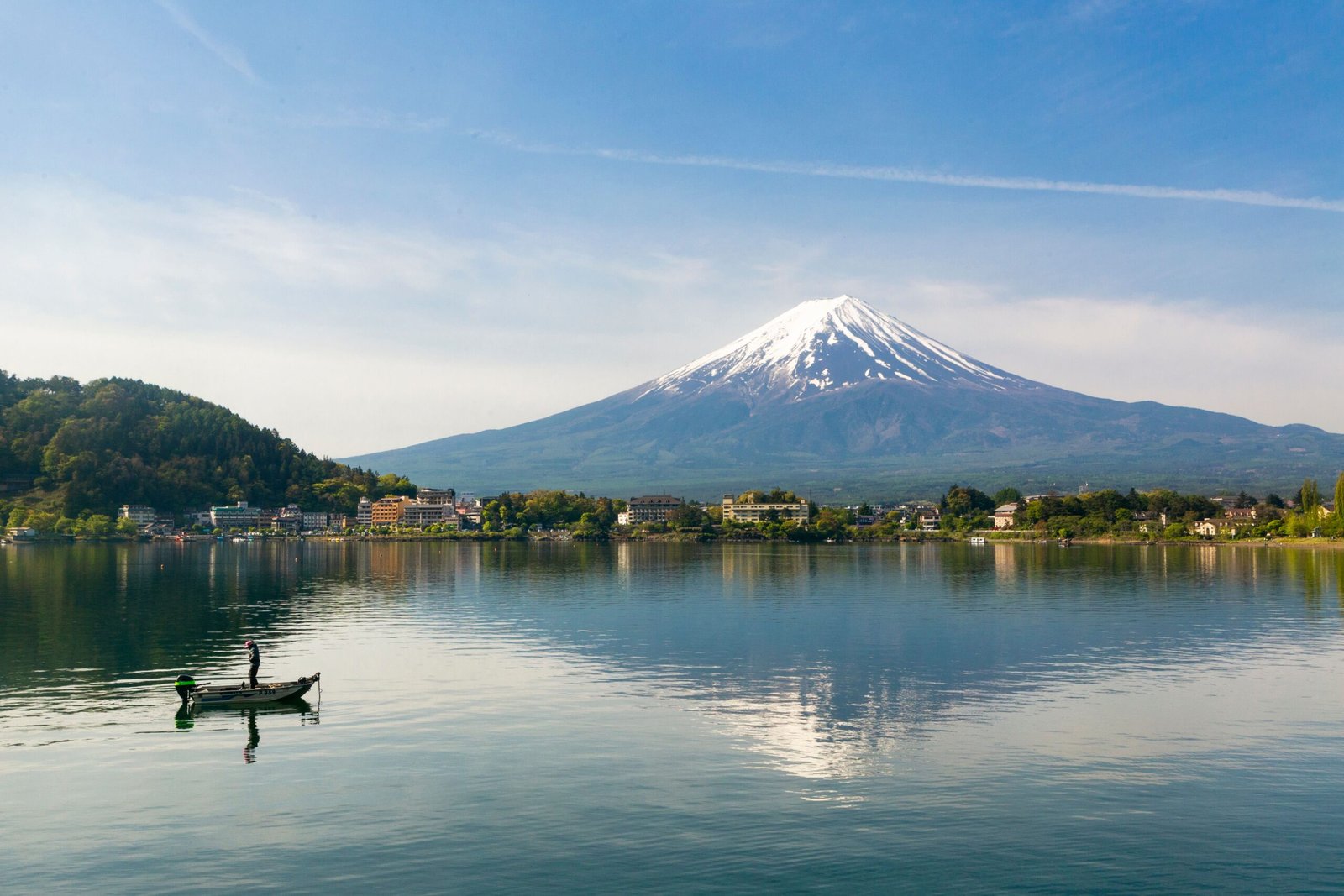
Things to do in Mount Fuji is a dream for many travelers, and the good news is you can shape the experience around your pace, budget, and season.
Mount Fuji sits on the border region of Japan’s Shizuoka and Yamanashi prefectures, with the most visitor-friendly base areas often centered around Fujikawaguchiko, Kawaguchiko, and nearby cities like Fuji-Yoshida and Gotemba. This guide focuses on planning your “things to do in mount fuji” trip in Japan, with routes and activities that work well for first-time and international visitors.
You will find viewpoints for sunrise and sunset, easy day hikes, local onsen (hot springs), lakeside culture, and a few practical planning tips so you do not waste time chasing weather windows. If you are deciding where to stay, think about how you want to move from place to place. Many activities cluster around the Five Lakes area, while other highlights are closer to Gotemba or Shizuoka.
If you also want to add variety beyond Japan, you might enjoy this related read on 20 Fun and Best Things To Do In Cameroon for inspiration on how to structure a multi-day itinerary in another destination.
Things To Do In Mount Fuji: A Practical, Numbered Guide
Use these ideas as your core plan for things to do in mount fuji. Mix and match based on your fitness and your weather forecast.
| Area (Base) | Best for | Top activity ideas | Time needed |
|---|---|---|---|
| Fujikawaguchiko, Kawaguchiko (Five Lakes) | Classic views, lakes, day tours | Chureito Pagoda viewpoints, ropeways, cycling by the lake | 2 to 4 days |
| Fuji-Yoshida | Gateway to trails, local food | Yoshida old town, trailhead area, museum stops | 1 to 2 days |
| Gotemba | Shopping, easier access to roadside sights | Outlet area + nearby viewpoints, scenic drives | 1 to 2 days |
Tip 1 – Build your plan around the weather window
For things to do in Mount Fuji, visibility matters more than almost anything else. Check forecasts the day before, and keep at least one “viewpoint slot” flexible for clear skies.
Tip 2 – Chase sunrise from the right viewpoint
Planning an early start is one of the best upgrades you can make. Choose sunrise-accessible spots, then warm up with a hot drink after.
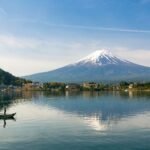
Tip 3 – Photograph Fuji from the Five Lakes area
Lake Kawaguchi and the surrounding lakes are popular for a reason. You can often combine iconic angles with calm walks, cafes, and short rides.
Tip 4 – Visit Chureito Pagoda for the “classic” postcard view
When Fuji is visible, the pagoda viewpoint is a highlight. Go early to avoid the busiest crowd times, especially on weekends and holidays.
Tip 5 – Take a ropeway or short scenic lift
Ropeways and short aerial rides are great for travelers who want mountain perspectives without a long hike. They also help when the weather turns windy at trail level.
Tip 6 – Do a beginner-friendly hike (even if you are not summiting)
Not every “Things to do in Mount Fuji” day has to be strenuous. Look for moderate, well-marked routes near the trails or lakes, and choose footwear suitable for uneven paths.
Tip 7 – Try an onsen day to recover your legs
Hot springs are a local comfort ritual. After sightseeing on foot, an onsen stop can turn a busy day into something relaxing.
Tip 8 – Explore Fuji-Yoshida’s old-town vibe
Fuji-Yoshida is a smart base if you want a more local feel. You can pair souvenir streets, small eateries, and trailhead atmosphere in one easy loop.
Tip 9 – Sample local foods that pair well with sightseeing
Look for regional favorites like hoto-style noodles and other Yamanashi specialties. Keep it simple: one hot meal, one snack, and plenty of water throughout the day.
Tip 10 – Use public transport smartly between bases
For things to do in Mount Fuji, it is usually most efficient to pick one main base for 2 to 4 days. Then you can use trains, buses, and occasional taxi rides for the “big moments.”
Tip 11 – Consider day trips if you are staying in Tokyo
If you are based in Tokyo, you can still do “Things to do in Mount Fuji” as day trips, but mornings can be long. For best comfort, many travelers choose at least one overnight around the Five Lakes.
Tip 12 – Book popular viewpoints and attractions ahead when possible
Busy seasons fill up fast, especially around weekends. If there is an attraction with timed entry, reserve early to avoid plan changes at the last moment.
Tip 13 – Plan an evening stroll for calm lake views
Sunset and twilight can be beautiful even when you do not get perfect sunrise conditions. Lakeside walking is a low-effort way to enjoy Fuji without committing to a long hike.
Tip 14 – Pack for temperature swings, not just “daytime” weather
In the mountains, it can feel colder than city forecasts. Bring layers, a light rain shell, and a small bag for warm items.
Tip 15 – Learn a few polite phrases for smoother interactions
While English signage is improving, simple phrases help. Even basic greetings and “Thank You” make conversations friendlier at small shops and onsen facilities.
Tip 16 – Know the most common tourist mistake: switching bases too often
Many travelers try to see everything from multiple areas in a single day. The result is rushed transit and missed viewpoints. For things to do in Mount Fuji, staying put for a few nights usually produces better photos and less stress.
Tip 17 – Keep a “rain plan” ready
If cloud cover rolls in, switch to museums, local food areas, covered shopping streets, or hot springs. This keeps your trip enjoyable even when the mountain is hidden.
Tip 18 – Use offline-friendly maps and translation tools
Japanese transit networks are strong, but some local bus stops may not be as straightforward. Download maps for offline use and keep translation ready for menus and signage.
Tip 19 – Respect trail rules and turn back if conditions change
If you hike near Fuji, follow posted guidance and be careful on slippery ground. Weather can change quickly, so do not treat “summit plans” as a rigid checklist.
Tip 20 – For families and budget travelers, choose flexible attractions
Blend viewpoints, lakeside paths, short experiences, and onsen breaks. You do not need expensive tours to enjoy things to do in Mount Fuji, but budgeting for local transport and small entry fees helps.
Visa & Entry Requirements
Visa and entry requirements for Japan depend on your nationality and your current government policy at the time of travel. Rules can include whether you need a visa, an electronic travel authorization (if applicable), or whether visa-free entry is offered for short stays. Because policies change, always verify the latest information before booking flights for your trip.
Start with passport checks. Confirm your passport is valid for your trip duration as required by Japanese immigration rules, and look for any additional validity requirements that may apply for longer stays. Also check blank pages, since stamps or immigration records may require space.
Next, confirm authorization and what you will need to show at arrival, such as proof of onward or return travel, and details about where you will stay during your visit. Having accommodation addresses handy can make check-in and immigration processes smoother. Travel insurance is not a visa requirement in every case, but it is strongly recommended so you are covered for medical care, emergencies, and trip disruptions.
Customs rules also matter. Japan may restrict certain items, including specific food, agricultural products, and some controlled substances. If you carry items for personal use, check what needs declaration. When in doubt, declare at customs rather than guessing.
For the most accurate and up-to-date requirements, consult Japan’s official immigration resources and the relevant Japanese embassy or consulate website for your situation. A reliable place to start is Japan’s Ministry of Foreign Affairs page on visas: https://www.mofa.go.jp/j_info/visit/visa/.
FAQs About Things To Do In Mount Fuji
What are the best things to do in Mount Fuji for first-timers?
If it is your first visit, focus on viewpoint stops around the Five Lakes area, one easy hike option, an onsen experience, and at least one planned meal of local Yamanashi cuisine. Building your day around clear-sky timing will improve the experience.
Is it worth going for sunrise when you are doing things to do in Mount Fuji?
Yes, if you can manage an early start. Sunrise is popular because cloud patterns can create dramatic views. Still, weather can be unpredictable, so keep a backup plan ready for when clouds stay around.
How many days should I plan for things to do in Mount Fuji?
For a calm first trip, 2 to 4 days is a solid range. You can do a shorter 1 to 2 day version, but you will have less flexibility for weather changes and you may spend more time traveling between spots.
What is the easiest area to base myself for things to do in Mount Fuji?
Many visitors choose Fujikawaguchiko and the Kawaguchiko area because attractions, buses, and lake walks are convenient. Fuji-Yoshida is also popular if you want a deeper trail gateway atmosphere.
Do I need to book tours for things to do in Mount Fuji?
Not always. Some viewpoints are independent and easy to plan. However, during peak seasons, tours and timed attractions can save time. If you prefer structure, consider a day tour, but still keep free time for weather-related changes.
Is Mount Fuji safe to visit if I am not hiking to the summit?
In general, yes. Most visitor activities involve viewpoints, lakeside walks, and transport-connected areas. Use basic caution, dress for mountain conditions, and follow local guidance where you walk near trails or busier areas.
Conclusion: Make Your Time Count With Smart Pacing
These things to do in mount fuji ideas work best when you plan around visibility, pick one comfortable base, and leave room for weather and rest. Instead of trying to “collect” every spot, focus on a handful of viewpoints, a local onsen, and one experience that matches your energy level.
If you want more trip satisfaction, remember the biggest lesson: do not switch bases too often. With a steadier rhythm, you will enjoy the views more, navigate local transport with less stress, and still have time for spontaneous stops.
Finally, as you finalize your Japan plan, double-check entry details for your trip dates, review transport schedules, and confirm any bookings. With that groundwork, your things to do in mount fuji itinerary can feel smooth, memorable, and genuinely yours.
Useful source links for planning ahead include official tourism and winter or safety guidance from reputable sites like Japan National Tourism Organization (https://www.japan.travel/en/) and regional travel info such as Yamanashi tourism resources (https://www.yamanashi-kankou.jp/). For general travel safety awareness, you can also review guidance from your home country’s travel advisory service (for example, the UK Foreign, Commonwealth and Development Office guidance page: https://www.gov.uk/foreign-travel-advice/japan).