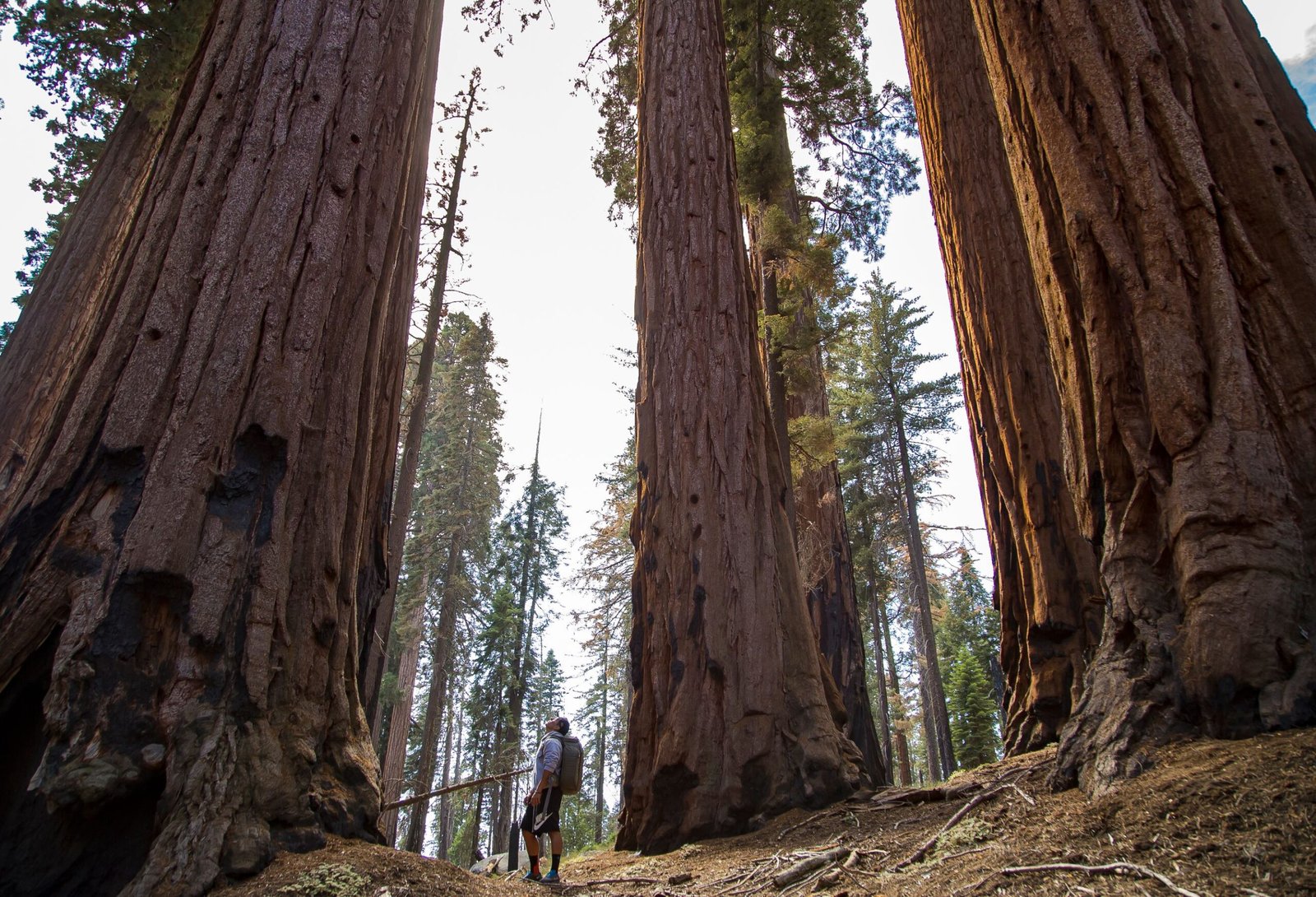
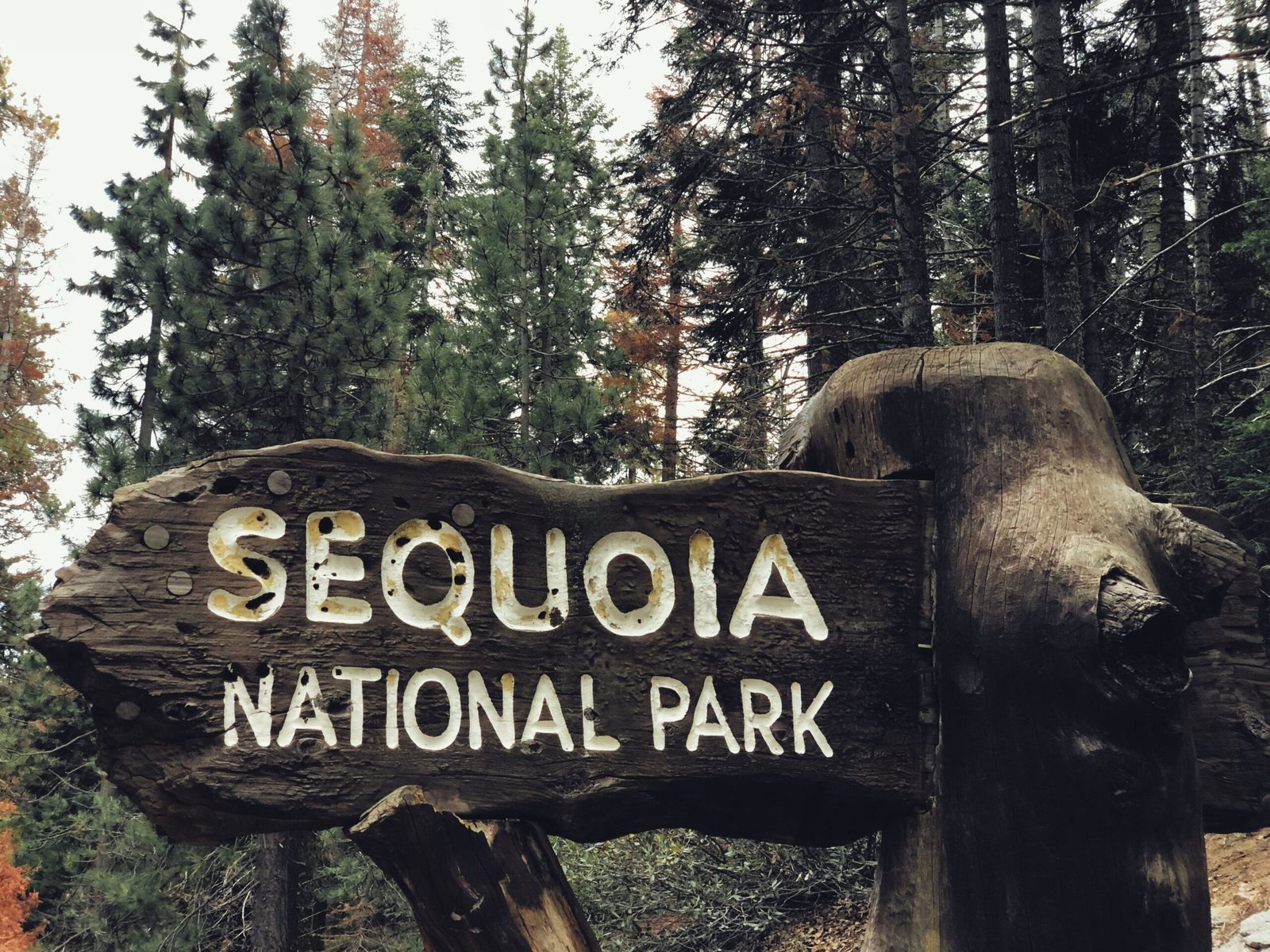
Best things to do in Sequoia National Park can turn a simple road trip into a once-in-a-lifetime experience among giant trees, mountain meadows, and unforgettable views. Sequoia National Park is in the United States, in California, and it offers world-class hikes, scenic drives, and peaceful wildlife spotting.
If you are planning a first visit, you will probably start with the famous giant Sequoias, but the park also has waterfalls, historic places, and viewpoints that feel quiet even during peak season. This guide focuses on practical, park-specific ideas that work well for first-time and international travelers.
You can base your days around key areas like General Sherman, Giant Forest, Moro Rock, and the Grant Grove area. From there, you can mix short walks with longer hikes, then cool down with picnic-friendly stops and simple local meals nearby.
For another road-trip friendly nature itinerary, you might also enjoy this list of cruise-day ideas: 20 Fun and Best Things To Do In Curacao On a Cruise. It is not Sequoia, but it is great for seeing how to plan a balanced schedule with time for sights, food, and downtime.
Best Things To Do In Sequoia National Park: A Practical Numbered Guide
Use these ideas as your planning backbone. Many of the best activities in Sequoia National Park are weather and season dependent, so check road and trail status before you go.
| Area | Best for | What to do | Time needed |
|---|---|---|---|
| Giant Forest | Iconic sequoias | General Sherman viewpoint, Congress Trail | 2 to 5 hours |
| Sequoia Canyon | Short, scenic walks | Tokopah Falls hike or lower canyon loops | 1 to 4 hours |
| Moro Rock | Big views | Granite steps trail and lookout | 1 to 2 hours |
| Grant Grove | Quiet big trees | General Grant, scenic drives | 1.5 to 4 hours |
| Visiting by car | Best first-day plan | Scenic drives, pullouts, ranger stops | Half day to full day |
Tip 1 – Start at General Sherman early
Arriving early is one of the simplest ways to make your day feel calmer. General Sherman is the most famous giant sequoia, and the area around it is especially enjoyable before crowds and afternoon heat.
Tip 2 – Walk the Congress Trail with the right pace
The Congress Trail is a classic way to see multiple large Sequoias in one stretch. It is generally easier than longer backcountry routes, but it still gets uneven in places, so plan for a steady pace.
Tip 3 – Take Moro Rock for the “wow” factor
Moro Rock is short but memorable. Even if you only do the main lookout trail, you get broad valley views and that distinctive granite texture that makes the landscape feel dramatic.
Tip 4 – Build a day around Tokopah Falls if conditions allow
Tokopah Falls is a favorite when the trail is open and weather is suitable. It is a bigger commitment than a quick loop, so confirm current conditions and turn back if the trail is unsafe or icy.
Tip 5 – Don’t miss the Grant Grove area
Grant Grove can feel more relaxed than the busiest sections, and it is an excellent option for an afternoon. The big tree experience continues here, and it is a smart place to explore if you want a slower rhythm.
Tip 6 – Use scenic drives as “free attractions”
In Sequoia National Park, viewpoints and pullouts are part of the show. If you are trying to find your best things to do in sequoia national park, combine walking stops with short drives between them.
Tip 7 – Aim for cooler hike times
The park can get hot, especially in summer. For many hikes, you will have a better time starting earlier in the day and planning a rest or easy picnic period when the sun is strongest.
Tip 8 – Pack for fast weather changes
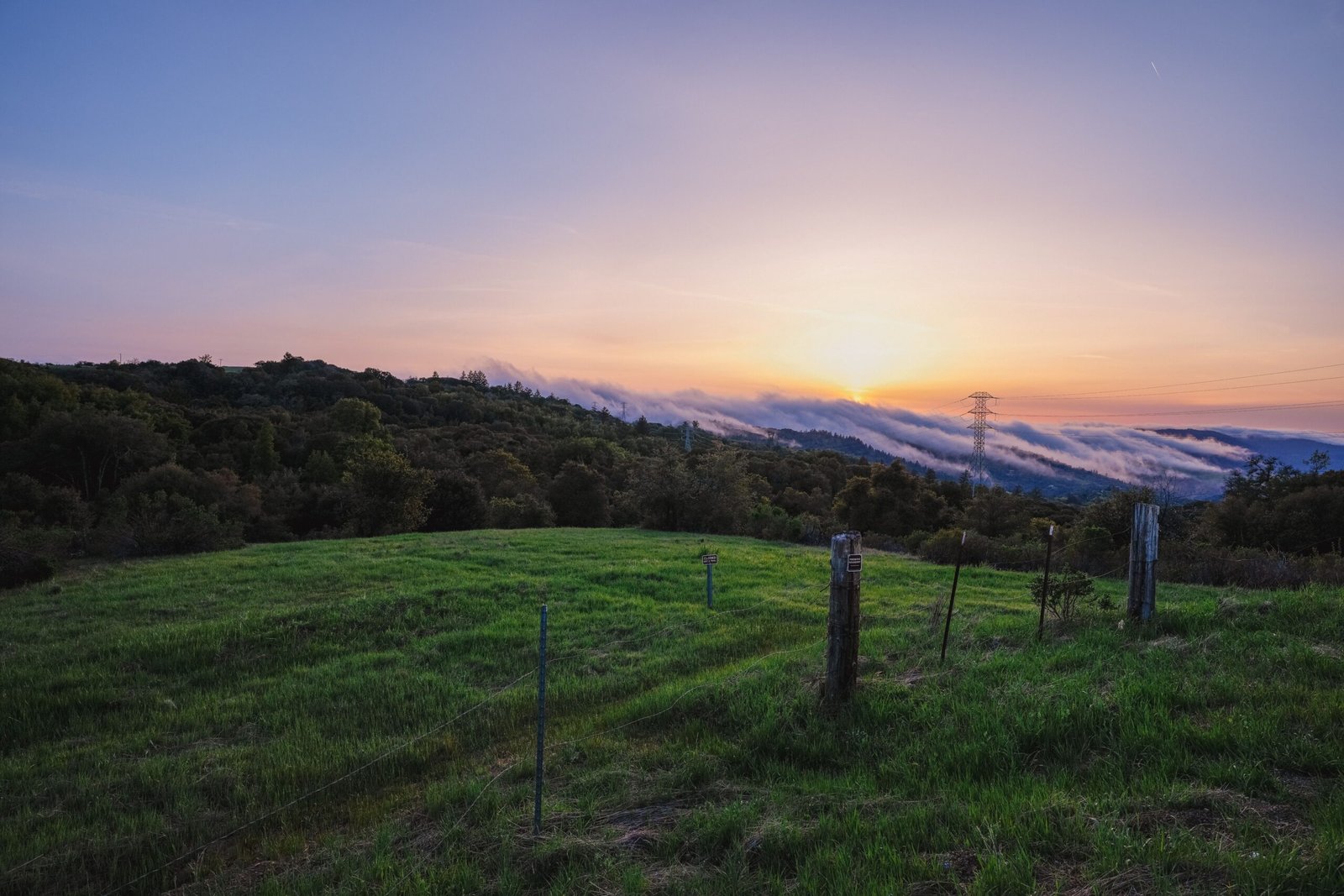
Even on sunny days, mountain weather can shift. Bring layers, a compact rain shell, and a warm layer for mornings and evenings.
Tip 9 – Bring snacks and water, but check rules
Sequoia is a place where having water makes your plans easier. Bring refillable bottles when permitted, carry basic snacks, and plan your picnic around designated areas.
Tip 10 – Use ranger programs when they fit your schedule
Ranger talks and short educational walks can add context to what you are seeing. They are also a good option if you want a low-effort activity while still learning.
Tip 11 – Try short walks if you have limited time
If you only have a couple of hours, you can still do meaningful Sequoia sightseeing. Choose a short trail, pair it with a nearby viewpoint, and keep room for parking and walking time.
Tip 12 – Consider a longer day hike for deeper quiet
When trails and weather allow, a longer route is one of the best things to do in Sequoia national park because it gets beyond the busiest photo stops. Start early, bring more water, and let someone know your route.
Tip 13 – Watch for wildlife, especially around dawn and dusk
Deer and other animals can appear unexpectedly. Stay on marked paths, keep distance, and do not feed wildlife.
Tip 14 – Take photos, but leave time for “no camera” moments
It is easy to chase the perfect shot in the trees. Try a routine where you photo take for 20 to 30 minutes, then pause without looking through your screen.
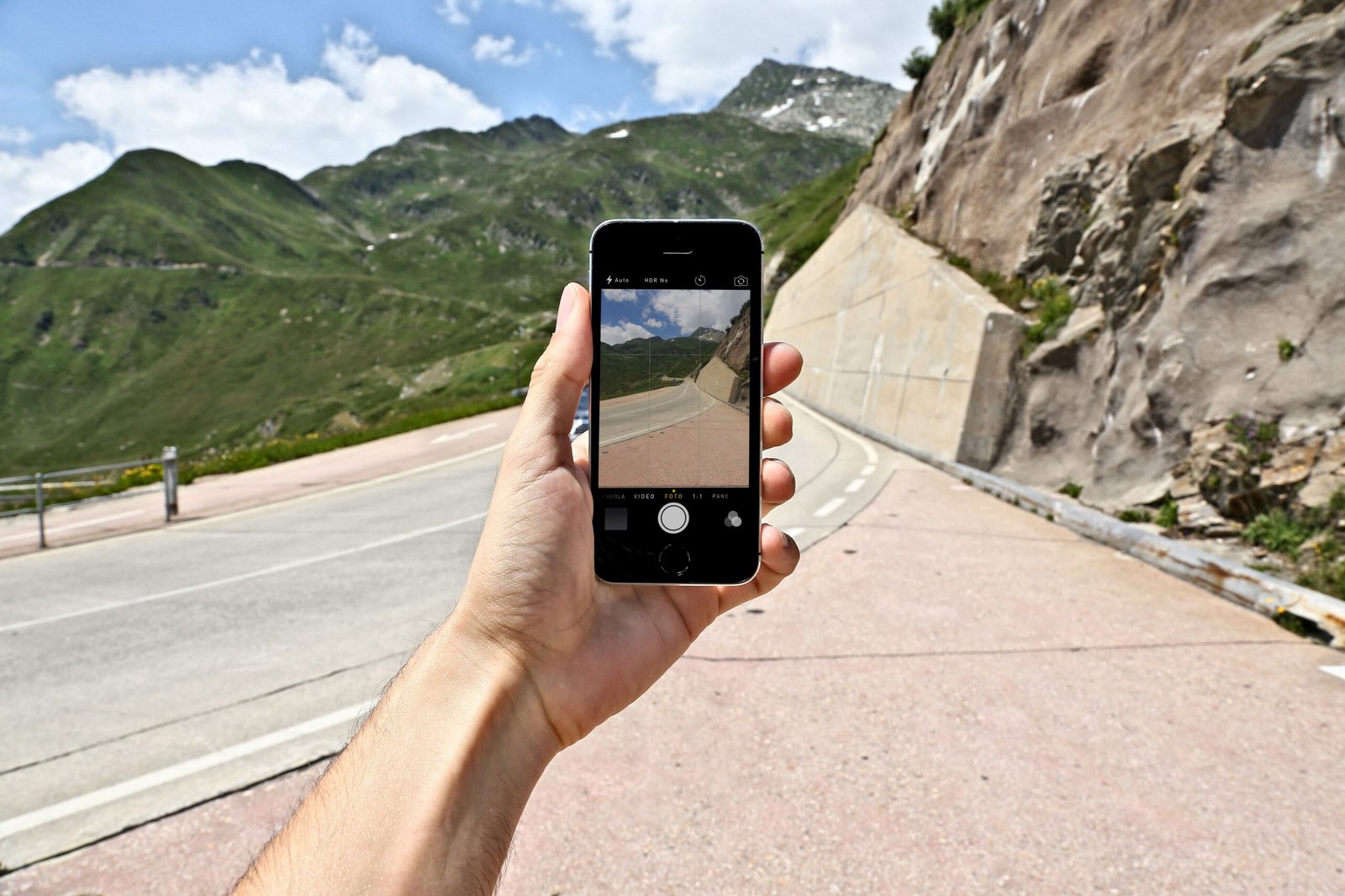
Tip 15 – Plan your park entry timing and parking
Parking can fill on popular routes at peak times. To maximize your time, arrive earlier than you think you need and plan flexible stop times.
Tip 16 – Use offline maps and save key trailheads
Cell service can be limited in mountainous areas. Download offline maps, save trailhead locations, and screenshot any driving directions you might need.
Tip 17 – Choose neighborhoods based on your base location
If you are staying near the park, your “where to stay” decisions help you do more. Many visitors base themselves near the entrance areas, then drive in early. If you are also doing nearby towns, plan for an easy dinner option after a long day in the park.
Tip 18 – Know the most common tourist mistake
A common mistake is trying to do too much in one day without accounting for parking, trail length, and weather. Another is forgetting that road access and trail access can change quickly. Pick 2 to 3 priority activities, then add smaller stops only if you are ahead of schedule.
Tip 19 – Eat simply, then grab a scenic picnic
You do not need a complex meal plan to enjoy your day. Bring easy snacks, and consider a picnic where allowed. The best meals in Sequoia often feel like the ones you can eat without rushing.
Tip 20 – Keep an emergency plan and basic safety gear

Carry a small first aid kit, a flashlight, and extra layers in your day pack. If someone in your group has mobility needs, choose flatter routes and confirm trail conditions ahead of time.
Visa & Entry Requirements
Visa and entry requirements for the United States can depend on your passport and on current government policy at the time you travel. Rules can also change quickly, so check the latest guidance before booking or leaving home. This is an overview, not legal advice.
Start with the most important documents: a valid passport with appropriate validity for your entire trip, any required visa or electronic travel authorization, and evidence of onward or return travel if requested. Some travelers may need specific travel authorization based on the purpose of their visit, and some may need a visa instead.
Passport validity, blank pages, and authorization rules can vary by traveler. Before your trip, confirm you have enough passport validity for your dates, that your passport is in good condition, and that you have blank pages for any required stamps or documents.
Length of stay rules are set by immigration officers upon arrival and by the authorization type you use. That means you should not assume a fixed number of days applies to everyone. Keep proof of accommodation where you will stay during your visit, plus basic travel details like your itinerary and contact info.
Vaccination rules are usually not routine for domestic travel, but entry requirements can include health documentation in specific situations. Customs procedures can also require declarations for food, plants, or certain items. Consider travel insurance, especially for hiking and roadside travel, since park access and weather can affect your plans.
For the final, official checklist that applies to you, visit the United States government immigration information pages through the official U.S. Department of State site: U.S. Department of State travel and visa information. If you are eligible for an authorization program, use the related official government guidance linked from that site.
Best Things To Do In Sequoia National Park FAQs
What are the best things to do in Sequoia National Park for a first-time visit?
Many first-timers prioritize General Sherman and the Giant Forest area, add Moro Rock for sweeping views, and then spend time on shorter paths like the Congress Trail. If you want a different vibe, include Grant Grove as well. Even with a plan, best things to do in sequoia national park can shift with weather and trail access.
How many days do I need to see the best things to do in Sequoia National Park?
One full day can cover a few major highlights, but two days is much easier for a relaxed pace. With extra time, you can choose one longer hike and still enjoy shorter stops and viewpoints without rushing.
Is Sequoia National Park good for families and beginners?
Yes, but pick routes carefully. There are plenty of shorter walks around major sights, and you can tailor the day with easy trails plus scenic drives. The best things to do in sequoia national park for families usually focus on iconic viewpoints, gentle paths, and flexible timing.
When is the best time to visit Sequoia National Park?
Spring and early fall are often comfortable for hiking, while summer can be warmer and busier. Winter and shoulder seasons can bring icy conditions on roads and trails. Check current conditions right before you go, because the “best” season depends on what kind of hikes you want.
How do I get around the park once I arrive?
Most people drive, then walk between trailheads and viewpoints. Have an offline map ready, and allow time for parking and short walking segments. If you are depending on rides, confirm schedules in advance since options can be limited near park areas.
Is it safe to hike in Sequoia National Park?
Hiking is generally safe when you match trails to your fitness and check conditions. Bring water and layers, start earlier for visibility and cooler temperatures, and turn back when the trail is unsafe. If you are searching for the best things to do in sequoia national park, treat “safety first” as part of the plan.
What should I know about crowds and parking?
Popular areas fill first, especially around iconic sequoias and major trailheads. The best strategy is arriving early, leaving some flexibility, and selecting a secondary area like Grant Grove if the main highlights are crowded.
Conclusion: Plan Your Perfect Day With Best Things To Do In Sequoia National Park
Planning out the best things to do in Sequoia National Park helps you spend less time guessing and more time enjoying the giant trees, viewpoints, and calmer trail moments that define this California landscape. If you want a smooth first trip, focus on 2 to 3 priority stops, build in time for short walks, and keep your schedule adaptable.
Remember that Sequoia experiences depend on season and current access, so check conditions before you leave and do not overbook your days. When you combine smart timing, a realistic hiking plan, and a little breathing room, the park feels magical instead of stressful.
If you are searching for the best things to do in sequoia national park, let this guide set your baseline, then tailor your day to your group and the weather. With a calm plan, you will leave with photos, stories, and that rare feeling of standing near something truly ancient.
For more official updates, start with the park’s main information pages: Sequoia National Park on NPS.gov. For trip planning, consider the official California tourism resource: Visit California. If you are flying in and need airport and travel support, check the nearest major airport options through San Francisco International Airport for practical travel planning.