Things to do in Yokohama Japan is a great way to plan your first visit to one of Japan’s most welcoming waterfront cities, full of shopping streets, harbor views, and neighborhood food.
Yokohama (Kanagawa Prefecture) sits just south of Tokyo, so you can enjoy a big-city feel without the overwhelm. From Minato Mirai’s skyline and landmark museums to the historic streets of Chinatown and Motomachi, there is always something to do in Yokohama.
If you love sunsets over the bay, weekend markets, or tasty ramen and dumplings, this guide will help you choose activities that fit your pace. I’ll also share practical transport tips, best times to visit, and the most common mistakes first-time travelers make in Yokohama.
You can use this list even if you only have a day or two, but it also works well for longer stays because Yokohama has clear areas: Minato Mirai, Yamashita Park, Chinatown, Motomachi, and Sankeien Garden.
Quick question for your planning: are you into museums and architecture, food and neighborhoods, or ships and coastal views? As you read the tips below, pick the sections that match your mood that day.
Things To Do In Yokohama Japan: A Practical Guide
Here are 20 reliable, visitor-friendly ideas and how to do them efficiently. If you want free time options too, you might enjoy this list of 20 Fun and Best Free Things To Do In Georgia for a similar approach to planning budget-friendly days, even though it is a different destination.
| Area | What to do | Best time | Time needed |
|---|---|---|---|
| Minato Mirai | Harbor promenade, skyline views | Late afternoon | 1-2 hours |
| Yamashita Park | Walk, waterfront photos | Morning or sunset | 1 hour |
| Chinatown | Street food, temples, tea | Lunch or evening | 1-3 hours |
| Motomachi | Historic shopping streets | Anytime | 1-2 hours |
| Sankeien | Traditional gardens, buildings | Spring or autumn | 2-3 hours |
Tip 1 – Start with Minato Mirai’s waterfront loop
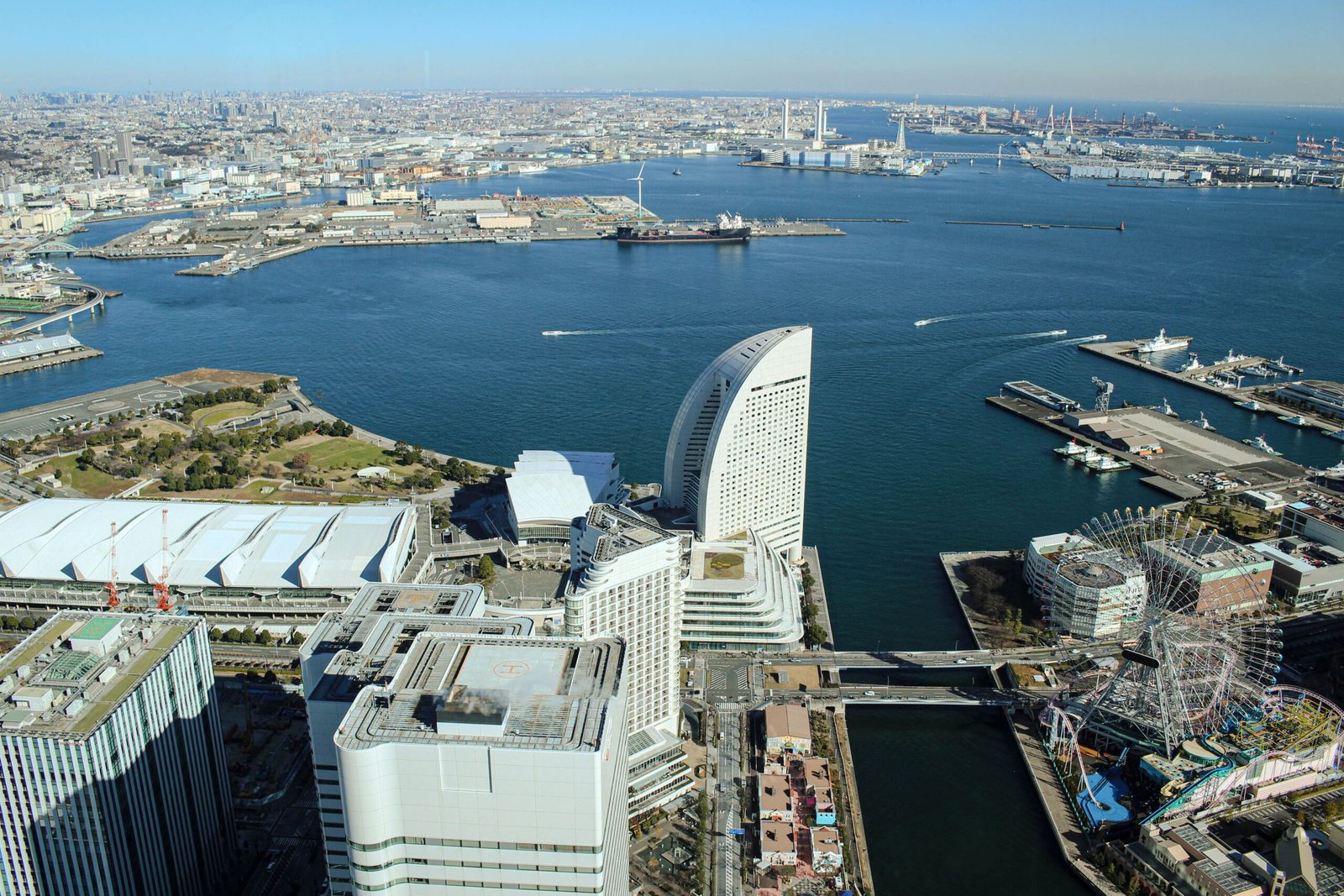
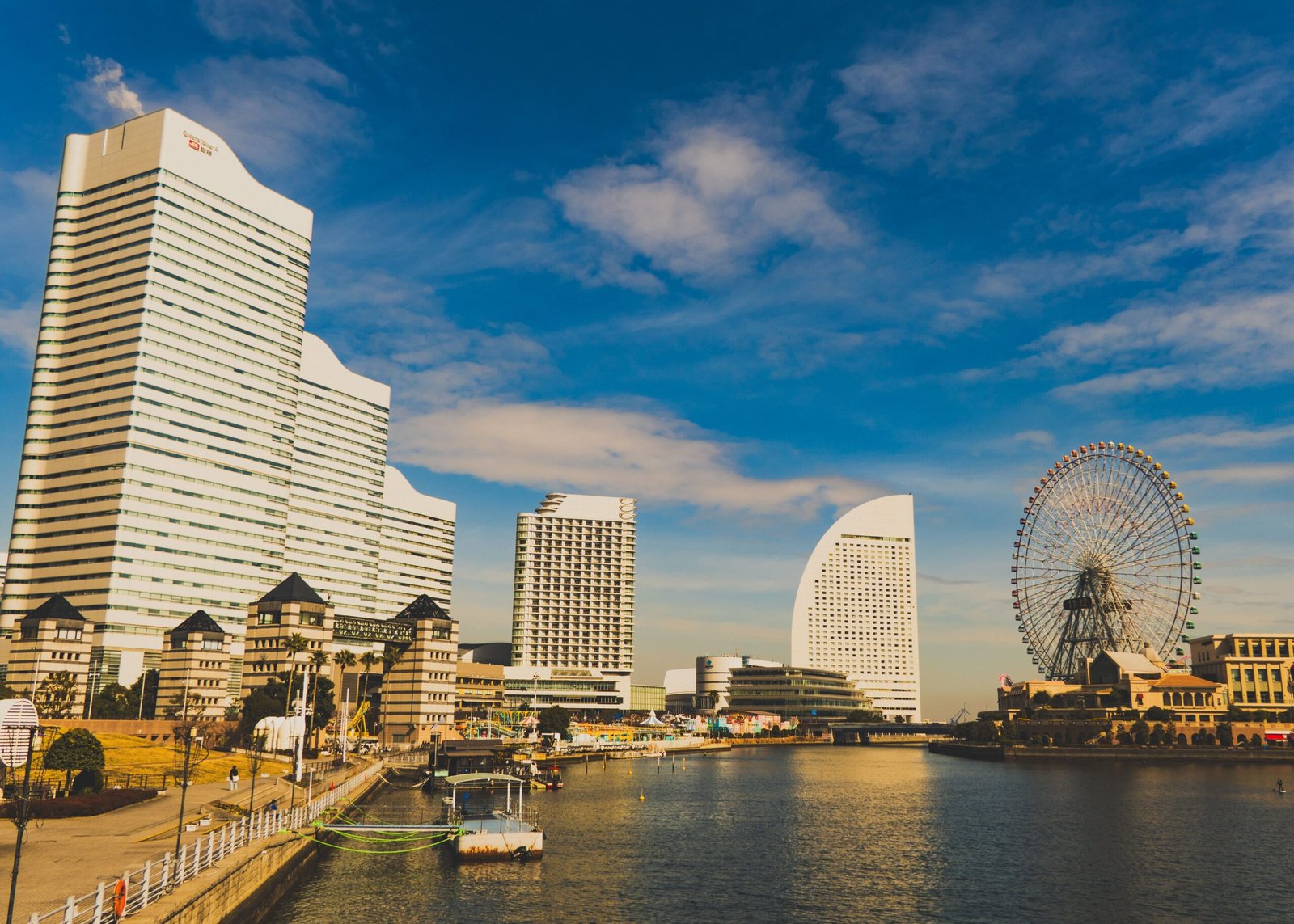
Plan a simple loop around Minato Mirai, the modern harbor district with big views and easy walking. You will get skyline photos, comfortable strolling paths, and lots of spots to stop for coffee or desserts.
Tip 2 – Time your walk for sunset over the bay
If you want memorable views, aim for late afternoon to early evening. The light changes fast along the water, and you will feel like you are in a movie for a few minutes with no extra cost.
Tip 3 – Spend a block in Yamashita Park for classic harbor scenery
Yamashita Park is ideal for a calm break between big sights. It is great for photos, people-watching, and a slower pace before heading to another neighborhood.
Tip 4 – Treat Chinatown as a full outing, not just a quick stop
Chinatown in Yokohama is one of the best places for dumplings, noodles, roast meats, and sweet buns. Go hungry and plan to try two smaller dishes instead of one huge meal.
Tip 5 – Try one “sit-down” meal and one snack walk
Yokohama is perfect for mixing experiences. Have a proper lunch, then wander for egg tarts, steamed buns, or chilled drinks. This helps you cover more flavors with less discomfort.
Tip 6 – Walk the Motomachi shopping streets for old-and-new charm
Motomachi feels different from the waterfront areas, with charming streets, boutiques, and a mix of historic and modern vibes. It is a good place to browse even if you do not plan big shopping.
Tip 7 – Visit Sankeien Garden for a traditional reset
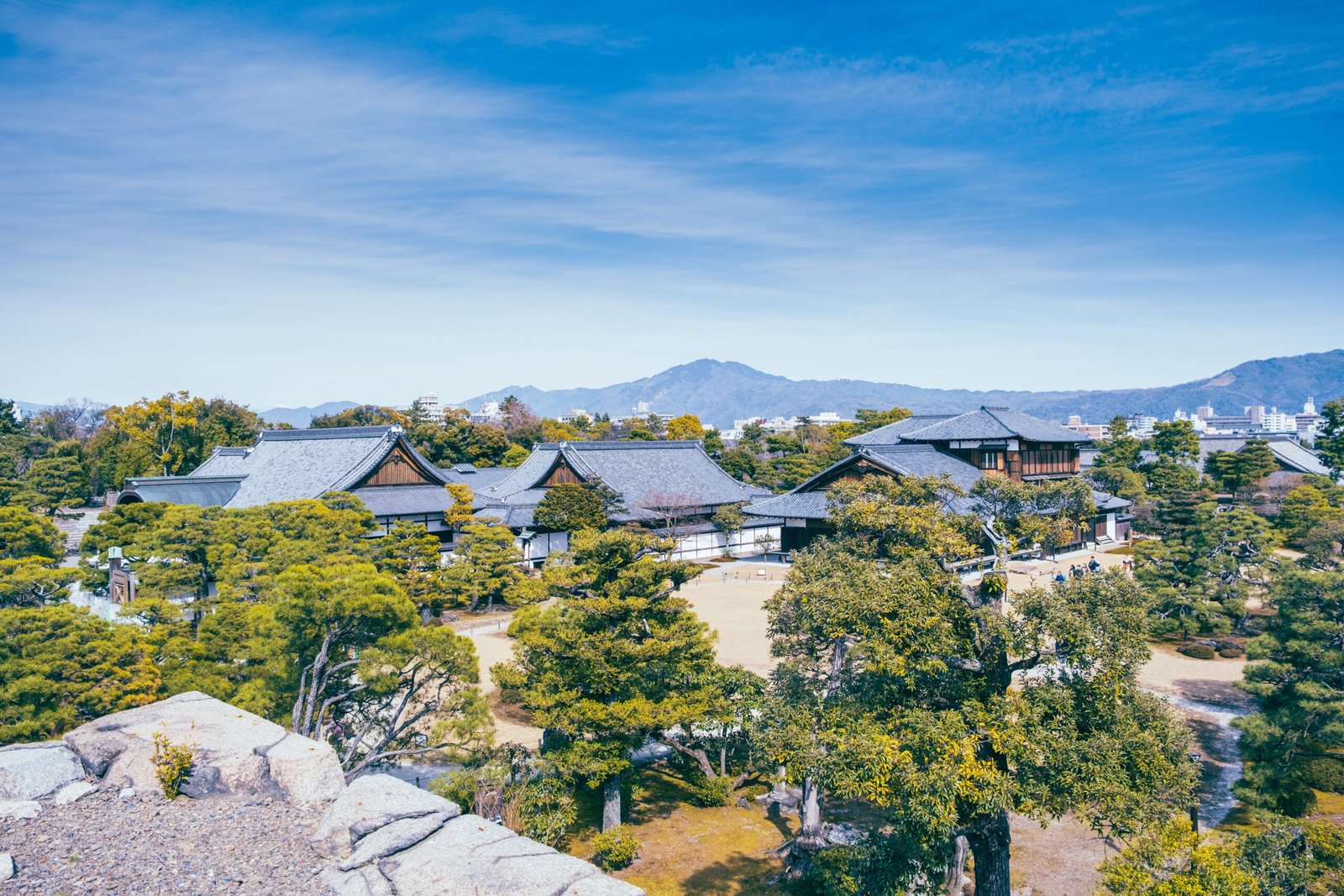
Sankeien is a garden designed to feel like a mini Japan of seasons, with historic buildings and scenic paths. Families and solo travelers both enjoy it because it is easy to move at your own speed.
Tip 8 – Add a museum stop if you want indoor flexibility
Yokohama has several strong museum options, and they are especially helpful in hot or rainy weather. Choose one and pair it with nearby walking so you do not feel rushed.
Tip 9 – Take the ferry or waterfront transport for a different view
Water routes can be a highlight when you want something more scenic than trains alone. Even a short ride gives you a new angle on the bay and the city’s scale.
Tip 10 – Use neighborhoods to build an efficient day plan
The easiest way to enjoy things to do in Yokohama Japan is to group attractions by area. Minato Mirai and Yamashita Park pair well, while Chinatown and Motomachi combine naturally.
Tip 11 – Ride trains, then walk the short distances for the best atmosphere
Yokohama rewards walking because street life and small storefronts are part of the experience. Trains get you close, and a short walk makes it feel local.
Tip 12 – Keep an eye on weather and plan backups
In summer, humidity can be intense. Have one indoor activity ready, and keep a small umbrella or light rain gear even when the forecast looks okay.
Tip 13 – Eat seasonal desserts and fruit drinks
Near waterfront and shopping zones you will find seasonal sweets that are easy to fit into a travel day. It is a simple way to enjoy Japanese food culture without a big meal commitment.
Tip 14 – Do not miss ramen and local seafood specialties
Yokohama’s port heritage shows up in the food. Look for local ramen, grilled seafood, and warming soups, especially outside peak summer sightseeing hours.
Tip 15 – Bring cash, but also plan for card where possible
Many places accept cards, but small snack stalls and some older venues may prefer cash. Having a small amount ready makes everything smoother.
Tip 16 – Learn a few simple phrases for “menu navigation”
You do not need fluent Japanese to enjoy Yokohama. Simple phrases like “arigatou” (thank you), “kore wa nan desu ka” (what is this), and “onegai shimasu” (please) help you get what you want with less stress.
Tip 17 – Book popular times for attractions with timed entry
If a museum, garden, or special experience has ticketing times, book in advance when you can. It reduces the risk of arriving and finding limited entry slots.
Tip 18 – Keep your luggage strategy simple
If you are hopping between areas, use coin lockers at major stations or paid storage at your hotel. Light bags make walking more enjoyable, especially around waterfront promenades.
Tip 19 – Safety and comfort: watch crossings and keep hydration handy
Yokohama is generally safe, but roads can be busy and crossing signals matter. Take water breaks, and wear comfortable shoes because you may walk more than you expect.
Tip 20 – The most common tourist mistake: trying to do “everything” in one district
It is tempting to stack attractions close together near Minato Mirai, but you will miss the character of Chinatown and Sankeien. Build your days by area, and leave breathing room for spontaneous snack stops.
Visa & Entry Requirements
Visa and entry rules for Japan depend on your passport and on current policies, including whether you may need a visa, an electronic travel authorization, or specific documentation at entry. This section cannot cover every nationality, and it is not legal advice. Always check official information before you travel, because requirements can change.
Start with these basics for Japan entry planning: confirm your passport validity covers your planned stay (and allow extra buffer for safe travel days). Some travelers are also asked to show onward or return travel tickets, proof of accommodation, and enough funds for the trip. If you are staying longer, working, or attending special activities, additional authorization may be required.
Be prepared for customs requirements too. Japan may have restrictions on bringing in certain goods, including food items, medications, and controlled or regulated products. If you carry medicine, bring it in original packaging with documentation when possible, and keep quantities reasonable for personal use.
Vaccination requirements are different from standard entry requirements. Japan may or may not require specific vaccinations depending on current health guidance and your travel history. The safest approach is to check guidance from official sources and any health notices relevant to your itinerary.
For authoritative, up-to-date details, consult the Government of Japan and the Japanese Immigration Services Agency before booking non-refundable items. A reliable official starting point is the Japanese Immigration Services Agency website: https://www.isa.go.jp/en/. You can also verify details with your nearest Japanese embassy or consulate and keep screenshots or printed copies of key entry documents.
Finally, consider travel insurance, especially if you are taking day trips around Kanagawa or have activities planned that involve water transport. Insurance does not replace entry checks, but it helps if plans change suddenly.
FAQs About Things To Do In Yokohama Japan
What are the best things to do in Yokohama Japan for a first-time visitor?
For first-time visitors, the easiest highlights are the Minato Mirai waterfront area, Yamashita Park, Chinatown for food, and Sankeien Garden for a traditional break. These are the most visitor-friendly picks and make it simple to plan things to do in Yokohama Japan without constant backtracking.
How many days do I need to see the main highlights and still enjoy Yokohama?
Two days is a comfortable starting point. You can do Minato Mirai and Yamashita Park on day one, then Chinatown, Motomachi, and Sankeien on day two. If you have three or more days, add more museums, longer walking loops, and one extra neighborhood day.
Is it easy to get around Yokohama without a car?
Yes. Trains and local transport connect key areas well, and you will often finish with short walks. A transit pass can be useful if you plan many rides, but always compare costs for your exact itinerary and consider peak hours.
What is the best time of year for things to do in Yokohama Japan?
Spring and autumn tend to be popular for scenery, especially around gardens like Sankeien. Summer is lively but can be humid, so plan indoor breaks. Winter can be pleasant for walking, particularly for waterfront and city views.
Are there budget-friendly activities in Yokohama?
Yes. Many of Yokohama’s waterfront promenades, parks, and neighborhood walking routes are low-cost or free. You can also build a budget day by focusing on one major area and using snack stops instead of multiple expensive attractions.
Do I need to book tickets in advance?
Not everything requires advance booking, but popular museums, seasonal experiences, and any attractions with timed entry can sell out or limit capacity. If your Japan plans are during a busy holiday period, booking ahead for those items is a smart move.
What is the most common mistake tourists make in Yokohama?
The most common mistake is trying to cover too many areas in one day with no rest time. Instead, group things to do in Yokohama Japan by neighborhood, keep your afternoons realistic, and build in room for food stops and spontaneous detours.
Conclusion: Plan Your Perfect Day Of Things To Do In Yokohama Japan
When you plan things to do in Yokohama Japan by neighborhood, the city feels surprisingly easy to explore. Minato Mirai and Yamashita Park give you classic harbor views, Chinatown delivers bold flavors, and Sankeien Garden offers a calm, traditional reset.
Pick one “anchor” activity each day, then build around it with walking routes, local snacks, and a relaxed transport plan. This approach helps you avoid rushing and makes your trip feel more personal.
As you finalize your itinerary, double-check entry and documentation requirements for Japan based on your passport and current government policy. With the right plan, Yokohama is a rewarding, international-friendly destination that balances big sights with everyday charm.
If you keep reading, you will find it is easy to turn your list into a realistic schedule. And no matter your travel style, things to do in Yokohama Japan can fit your budget, your weather plan, and your pace.